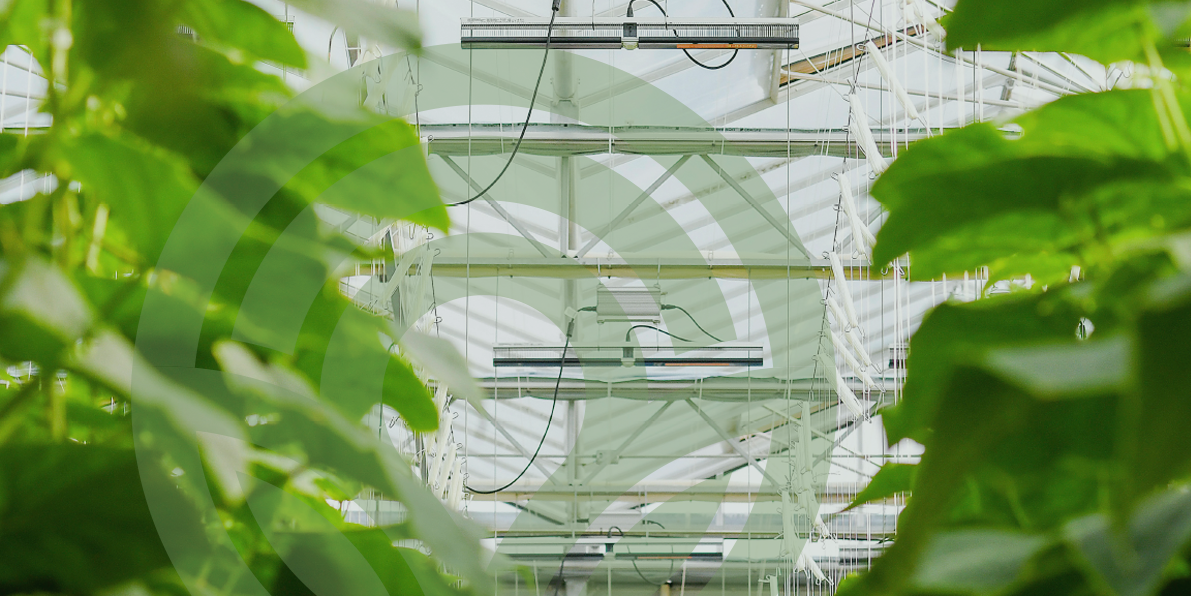
Climate screens and greenhouse coatings are essential tools for creating a stable growing environment. Together, they influence light transmission, radiation, temperature and humidity, helping growers manage energy more efficiently while maintaining the conditions plants need to stay active and balanced.
Area of Expertise
Climate Screens & Coatings
How do climate screens and coatings affect greenhouse conditions?
Climate screens and coatings influence the amount and distribution of light and heat inside the greenhouse. They can help manage radiation, temperature, humidity and energy use. Understanding how these tools interact with the crop and climate allows growers to create more stable conditions while making efficient use of available light and energy.
Managing light and heat is the first step towards creating a stable greenhouse climate.
Managing light and heat for optimal conditions
Creating a balance between Radiation and Temperature
Sunlight is essential for growth but also introduces heat and rapid climate changes. Managing the balance between light and heat is therefore one of the most important elements of greenhouse control.
The key is to regulate how sunlight enters the greenhouse, how it spreads across the canopy, and how much heat it contributes. This ensures the plant receives the radiation it needs without being pushed into stress or overheating. Tools such as coatings support this process, but the core principle remains understanding the crop’s needs at each stage of growth.
When light and heat are well balanced, the climate stays calm and the crop remains active without stress peaks.

Ton Habraken
Contact the expert
Want to know more about climate screens?
Related expertise