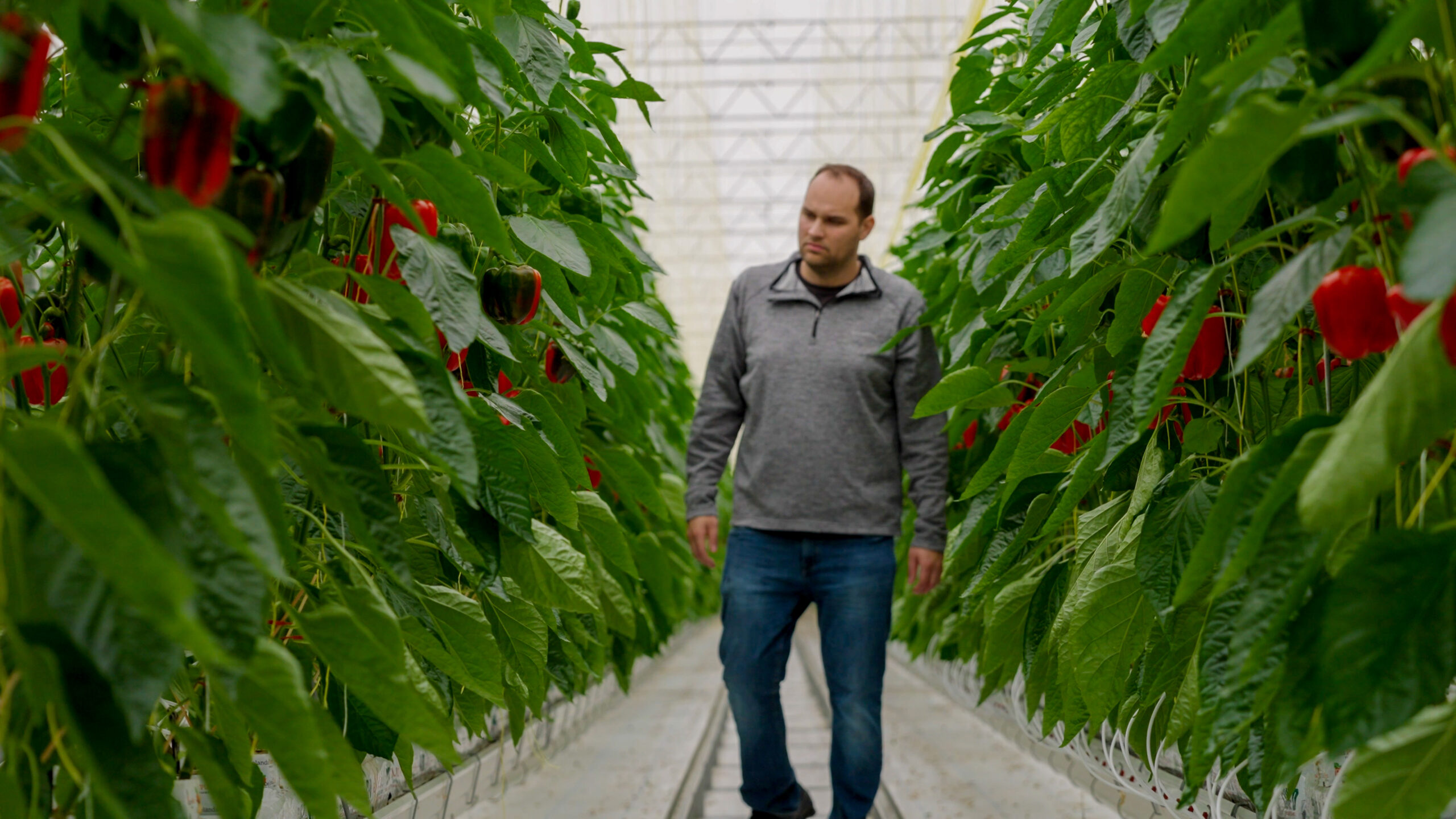
Attending the Plant Empowerment Summer School in June 2026 proved to be a transformative experience for commercial grower Sergio Hernandez Bautista – who took home expert advice that has been uniquely applied to outdoor hellebore crops.
User Story
Aldershot Greenhouses Limited
The beginnings of a horticultural career
Today, Hernandez Bautista works for Aldershot Greenhouses Limited, based out of the company’s main facilities in Waterdown, Ontario, Canada. His route into commercial growing spans multiple continents and a lifelong passion for plant science. The grower’s fascination with horticulture began at primary school – when watching a sturdy plant grow from a humble bean captivated him and set the trajectory for his career.
“From there, I kept going, trying to learn more about plants,” he says.
This early curiosity led Hernandez Bautista to pursue a bachelor’s degree in agricultural engineering in Mexico City. He studied for five years, including spending some time studying plant genetics in Spain at the Biotechnology and Plant Genomics Centre (a research institute led jointly by the Universidad Politécnica de Madrid and the National Institute for Agricultural and Food Research and Technology.)
Upon returning to Mexico, Hernandez Bautista joined Finka – a forward-thinking, high-tech producer of salad crops, including tomatoes and peppers.
Discovering the Plant Empowerment Philosophy
It was during his tenure at Finka that Hernandez Bautista was first introduced to the Plant Empowerment philosophy. But at the time, his role was more focused on labour supervision, which limited how much he could directly apply the methodology.
However, after relocating to Canada almost four years ago to join Aldershot Greenhouses Ltd., Hernandez Bautista purchased and started to study the famous book, Plant Empowerment: The Basic Principles.
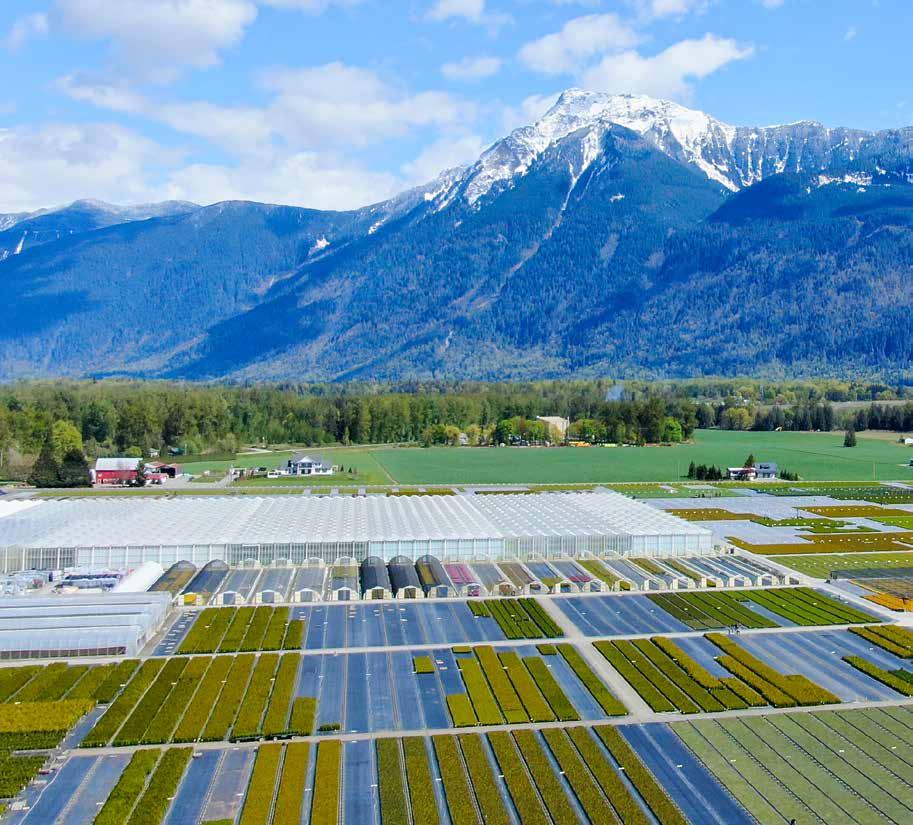
The grower soon realised that the hellebores produced at Aldershot Greenhouses Ltd could benefit from a more data-driven approach to growing. Hellebores are beautiful flowers that naturally grow under partial shade in woodland edges. At Aldershot Greenhouses Ltd, the plants are grown from tissue culture and raised inside the glasshouses during winter. Indoors, climate variables can be controlled easily, allowing the young plants to thrive. But the challenge starts when the plants are temporarily located outside in the fields during the summer months so that seasonal crops can be raised inside the glasshouses. After the summer months pass, the hellebores are moved back inside where they are grown on for retail sale.
Because hellebores prefer cold temperatures and shade, the plants had been struggling to thrive outside by themselves. Exposed to high temperatures and intense radiation without glasshouse protection, the crops were facing severe stress. That is when Hernandez Bautista stated doing research into Plant Empowerment techniques to give them a different growing perspective. Keen to learn more after reading the book, the grower applied for the (2026) Summer School and was thrilled to be accepted onto the course.
Understanding core balances and climate dynamics
The key takeaway that Hernandez Bautista took from the Summer School was the importance of nutrition and climate variables and how the two relate to one another.
“When the crop is being housed outside the fields, we cannot control all the climate variables. As an example, when its 37°C outside, the crop is using up all of its energy, all of its minerals. So, what can we do? We can start modifying the nutrition.”
At its foundation, the Plant Empowerment methodology centres on maintaining the plants’ energy balance, water balance, and assimilate (sugar) balance. By aligning these balances, growers help the plants to optimise transpirational cooling and sugar production without triggering stress responses.
Hernandez Bautista therefore now tests the crops’ nutrient and Brix (sugar) levels on a regular weekly basis, measuring (when necessary) as often as three times a week for more susceptible varieties that spend their energy faster.
He also monitors the plants’ vapour pressure difference – the difference between the moisture inside a plant’s leaves and the moisture in the surrounding air – to track stress. On days when the air is dry and vapour pressure difference is high, he applies light micro-moisture sprays to improve the plants’ environment, while actively adjusting foliar applications and fertigation recipes based on how fast the plants are consuming minerals and sugars.
And – bingo! The crop survived the summer (2026)! Hernandez Bautista is delighted with the outcome, achieving zero plant loss with resilient, green and healthy plants – what a great result that is, all thanks to the Plant Empowerment principles.
Peer learning and future outlook
On the course, Hernandez Bautista also found it nice to be able to talk to, and learn from, the other growers who were attending. Among the group were five growers from Canada and the US who were each dealing with similar high-temperature growing conditions – and who shared the same goal of producing more resilient plants. They are all now focusing heavily on monitoring plant nutrition to see where adjustments are required.
“It’s about ‘listening’ to our crops more closely and seeing how they are reacting to their environment, in base of that we can take actions. We are still learning and improving a lot of things …”
Concluding his reflections, Hernandez Bautista highlights the necessity for growers to keep meeting up, staying in touch with one another, and exchanging their crop insights with one another. By correlating data-driven insights and continuing to share knowledge across the Plant Empowerment community, growers will keep moving ahead and find better ways of growing resilient, healthy crops.
Interested in the Summer School?
Other user stories
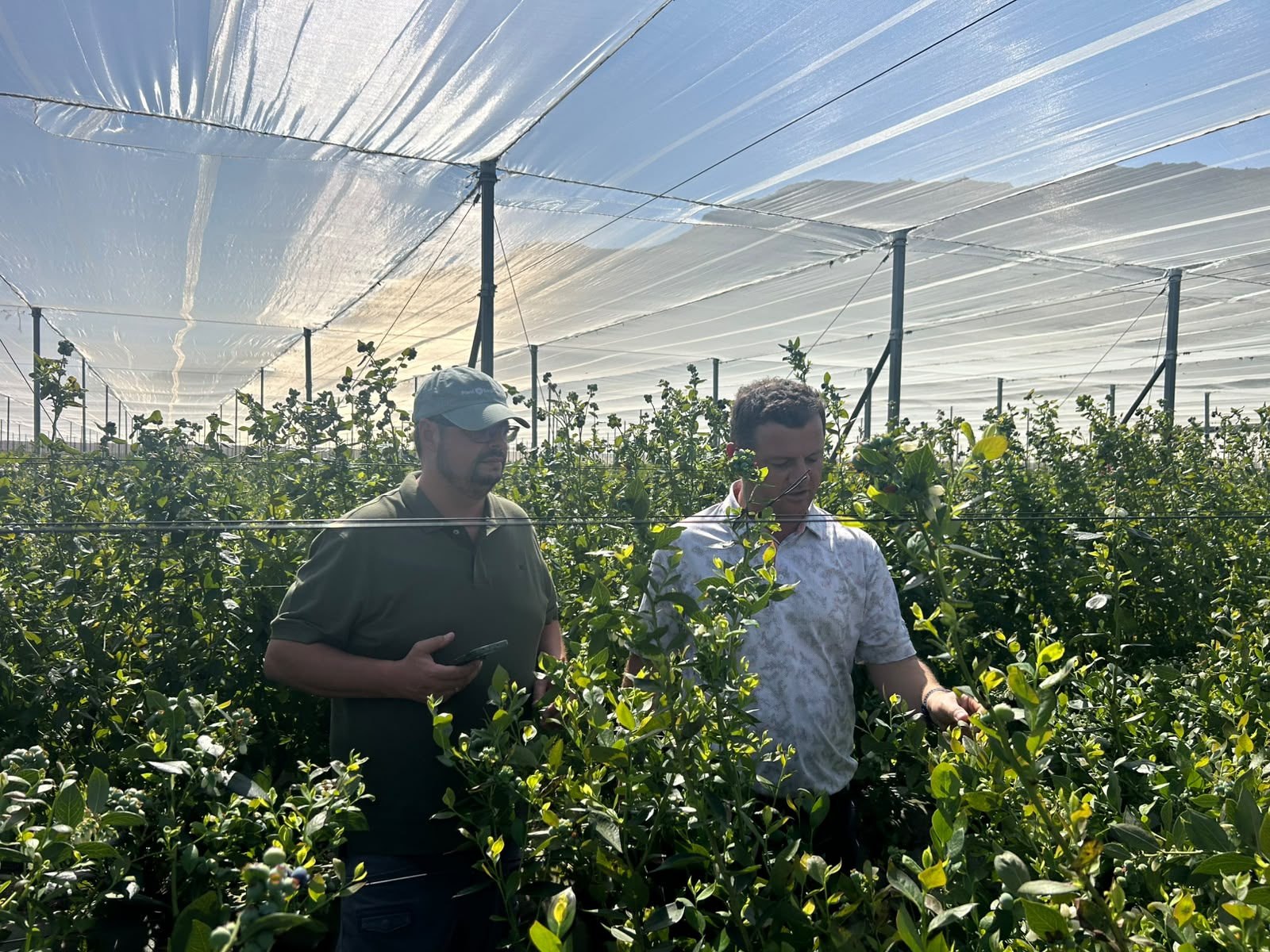
Always learning something extra about Plant Empowerment in open field crops
Open: Always learning something extra about Plant Empowerment in open field crops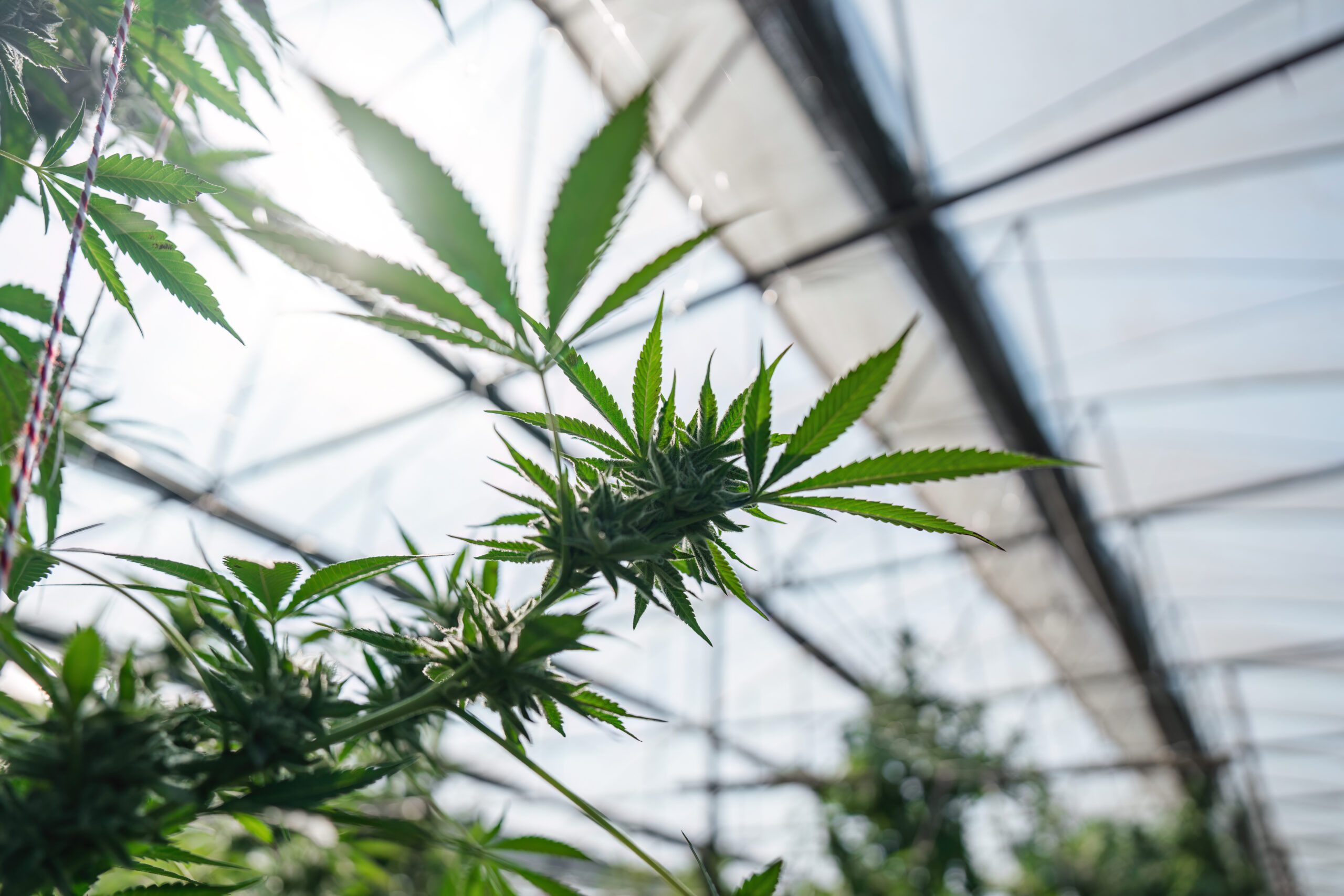
From old school to High-Tech: How João Constantino revolutionized medicinal growing with Plant Empowerment
Open: From old school to High-Tech: How João Constantino revolutionized medicinal growing with Plant Empowerment
Doubling strawberry production two years in a row with Plant Empowerment
Open: Doubling strawberry production two years in a row with Plant Empowerment
From inspiration to implementation: the value of the Plant Empowerment knowledge platform
Open: From inspiration to implementation: the value of the Plant Empowerment knowledge platform
Improving tomato growth and reduces chemical use
Open: Improving tomato growth and reduces chemical use
Data-driven growing keeps growers ahead of the curve
Open: Data-driven growing keeps growers ahead of the curve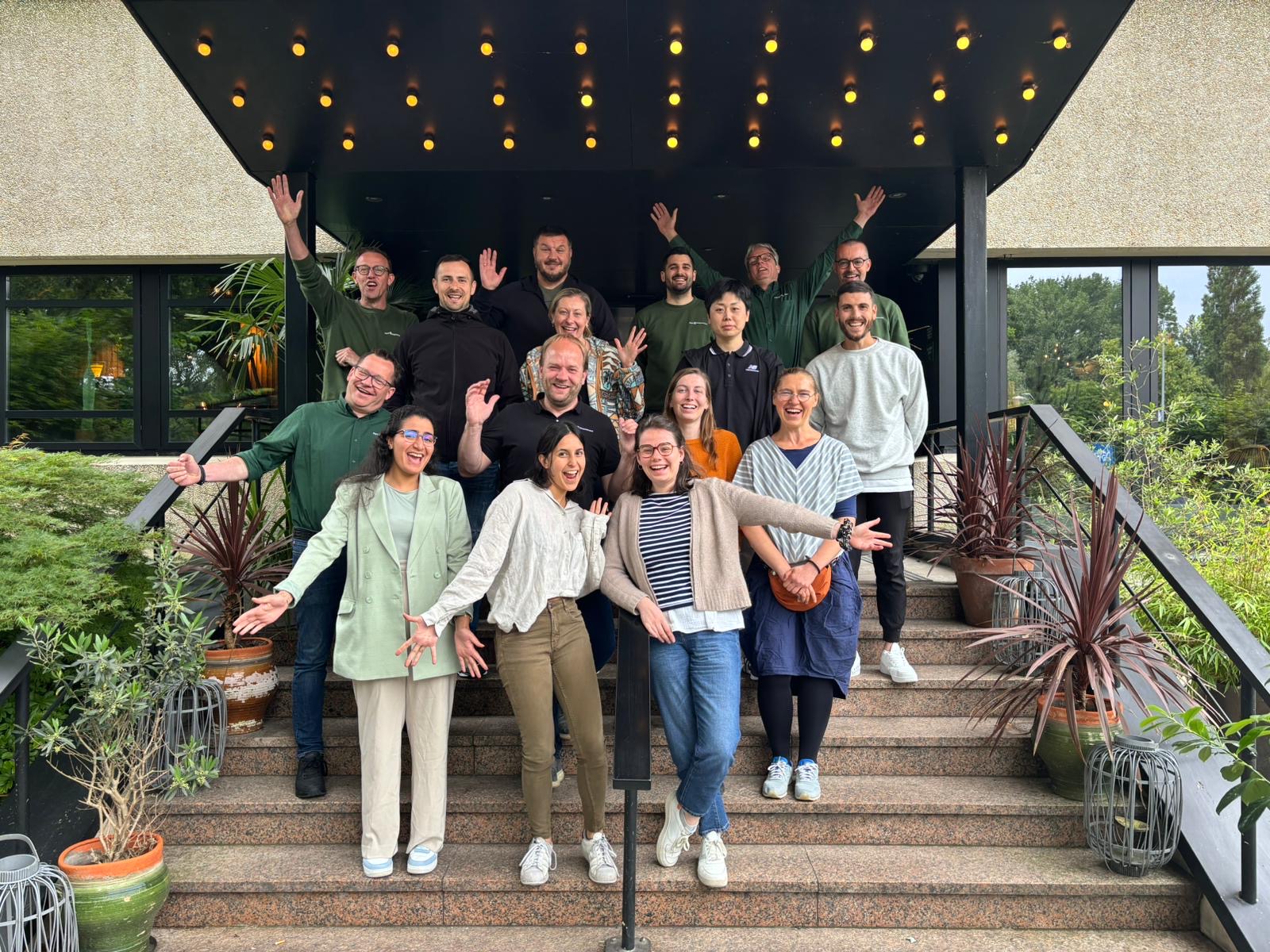
From Mexico to Amsterdam: Paula’s journey through the Summer School
Open: From Mexico to Amsterdam: Paula’s journey through the Summer School