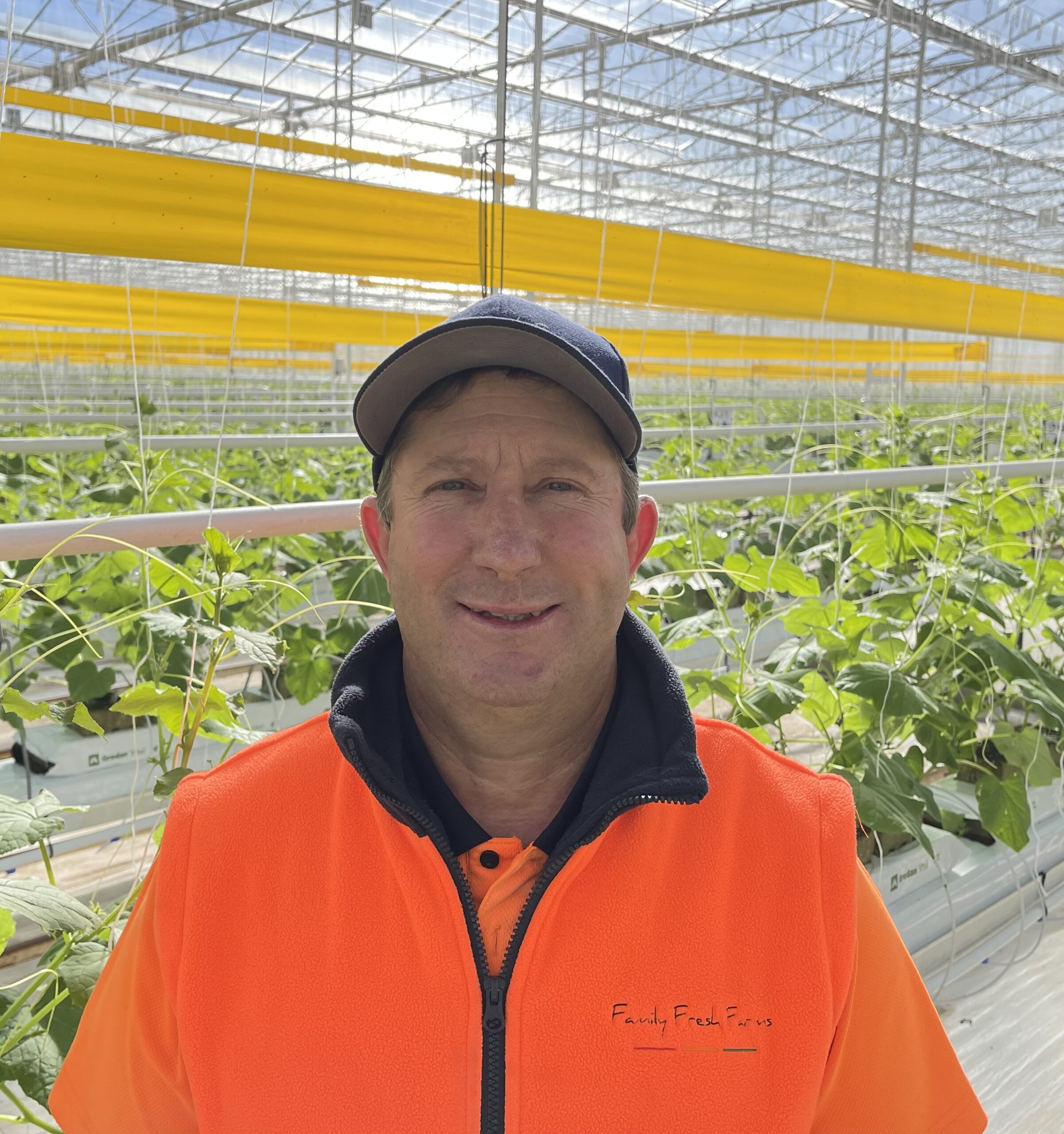
International berry crop specialist Jorge Duarte, founder and CEO of Hortitool Consulting, has a strong appetite for knowledge that is inspiring him to explore how the Plant Empowerment philosophy can be applied beyond the traditional glasshouse environment, particularly in polytunnel berry production across Europe and North Africa.
User Story
Hortitool Consulting
A lifelong passion for horticulture
Hailing from southern Portugal, Duarte’s deep-rooted connection to horticulture began early in life. He spent much of his childhood with his grandfather, who cultivated fresh produce for the family and took him fishing. Much of what they produced had a simple purpose: providing fresh ingredients for traditional Portuguese dishes. Inspired by these formative experiences, Duarte went on to study for a BSc in Agronomy at the University of Algarve.
To help finance his academic studies, Duarte worked directly on a local fresh produce farm, meaning that from a young age he was learning “on the job” as well as in the classroom. He rapidly acquired practical experience in hydroponics while working for an enterprise producing tomatoes, peppers, aubergines and citrus fruits.
The company later shifted its strategy to focus on berries, becoming one of the pioneers in Southern Europe in the hydroponic production of raspberries and blackberries. Recalling this turning point, Duarte notes: “From the moment these plantations arrived, I became completely obsessed with learning about soft fruit crops and hydroponics. This became a kind of ‘lighthouse’ for what I wanted to do in my career.”
Building an international berry consultancy
As a young graduate, Duarte became farm manager at Sunny Morangos in Faro, overseeing a Dutch-invested strawberry operation growing Elsanta. There, he developed his knowledge of substrate production and techniques such as flower mapping, while also supporting Meteor Systems’ hydroponic projects.
It was here that Dutch consultant Dennis Joosten, of Joosten Horti Consult BV, recognised Duarte’s potential and encouraged him to become an independent consultant. Duarte took this advice on board and, by 2012, was privately advising growers. He officially launched Hortitool Consulting in 2014, starting in his home country of Portugal but soon expanding across Europe and North Africa through frequent visits to growers in neighboring countries.
“I like travelling and getting to know other cultures. When you travel, your vision of the world changes, and your opinions change as well. One trip can change your life,” says Duarte.
During this period, Duarte increasingly focused on blueberry production, initially working with the crop in Portugal during a period of substantial investment and rapidly increasing consumer demand. He later worked alongside Italian agronomist Marco Butera, of Better Berries, helping growers transition from conventional soil production towards substrate systems and newer genetics. The pair also established a dedicated blueberry school, supporting around 15 client farms.
Pioneering R&D and Strategic Agronomy
Duarte, who co-organises the Morocco Berry Conference, notes that he frequently encounters soft fruit growers who continue to apply production techniques they have relied on for decades. Rather than advocating change for its own sake, he encourages producers to identify targeted adjustments that can improve the interaction between crop physiology, climate and production efficiency.
For example, in strawberry crops planted in September under warm conditions, evaporative cooling or misting can be considered as part of the environmental management strategy when excessive temperature and plant stress become limiting factors. Likewise, Duarte encourages growers to evaluate the optical and thermal properties of polytunnel films according to the crop, location and production window, rather than selecting plastics solely based on a generic specification.
Rather than offering isolated technical fixes, Duarte also encourages growers to consider the farm’s “bigger picture”, connecting crop performance with operational and commercial viability. Describing himself as an “architect of strategies for growers” as much as an agronomist, he helps soft fruit producers understand how decisions concerning irrigation, nutrition, climate management, genetics and production systems ultimately influence yield, fruit quality, labour requirements and return on investment.
“Growers must adapt to the new realities of crop production. In many cases, producing consistently at the required quality means investing more in technology, infrastructure and knowledge. But investment alone is not enough. Growers also need sufficient productivity and scale to dilute costs and generate an adequate return on that investment.”
Transposing Plant Empowerment Principles to Polytunnels
Always keen to learn more, Duarte’s consultancy places considerable emphasis on research and development, particularly in blueberry production. Hortitool’s R&D activities include advanced plant sap analysis, data-driven and AI-supported blueberry crop forecasting, and the evaluation of electrophysiological sensors designed to monitor changes in plant electrical signalling as a potential source of information about plant responses to environmental and physiological conditions.
Duarte’s data-driven approach to crop production aligns naturally with the Plant Empowerment philosophy, which he has followed since the Foundation was established in 2019. Driven by his desire to “always learn something extra”, Duarte attended the Plant Empowerment Summer School in 2026 to further refine his knowledge.
Taking Plant Empowerment beyond the glasshouse
Duarte believes that investigating how a framework developed largely around highly controlled glasshouse production can be adapted to polytunnel systems present an important challenge.
“Much of the world’s horticultural production takes place under plastic structures rather than sophisticated glasshouses. Understanding which Plant Empowerment principles can be transferred directly, which need to be adapted and how we can measure the relevant plant and environmental responses under these less-controlled conditions could have considerable practical value,” he says.
“I explained to the speakers and my colleagues at the Summer School that we need to keep moving outside our comfort zones. That is how we challenge what we think we know, learn new techniques and continue improving our skills.”
Exploring the potential of Brix
One topic discussed at the Summer School by Plant Empowerment consultant Mark van der Werf that particularly caught Duarte’s attention was the measurement of soluble solids in plant sap using a refractometer, commonly expressed as degrees Brix (°Brix).
Following the course, a dedicated WhatsApp group with fellow participants has been used to compare Brix measurements and gather field observations across different crops and growing conditions. His interest in the subject subsequently led him to write an article about Brix for the specialist platform Italian Berry.
Brix measurements obtained with a refractometer provide an estimate of the concentration of soluble solids in expressed plant sap. Although sugars can represent an important component of these soluble solids, the reading can also be influenced by other dissolved compounds and by factors including plant species, tissue sampled, time of day, water status, environmental conditions and sampling methodology. For this reason, Duarte sees Brix primarily as an additional field measurement that should be interpreted alongside other physiological, nutritional and environmental data rather than as a stand-alone indicator of plant health.
“Brix gives us another piece of information about what is happening in the plant. What interests me is not simply whether the number is high or low, but why it changes, how repeatable those changes are and whether they can be related to other measurements of crop performance and plant physiology.”
From observations to new research
Part of Duarte’s interest was stimulated by the work and ideas promoted by US entomologist Dr. Thomas Dykstra, who has proposed relationships between leaf Brix levels, plant physiological status and the feeding behaviour of different groups of insects.
Duarte is careful, however, to distinguish an interesting hypothesis from an established agronomic rule. The concept that specific Brix thresholds can reliably predict resistance to particular insect groups remains scientifically debated, and evidence supporting universal thresholds across different crops and environments is currently limited.
This uncertainty is precisely what interests him.
When Duarte began collecting his own measurements under commercial polytunnel conditions – including raspberries and blueberries in Portugal and blueberries from a client project in Egypt – some readings exceeded 20 °Brix. These observations raised further questions about how Brix values should be interpreted across different berry species, cultivars, production systems and environmental conditions.
Rather than treating these observations as proof for or against an existing theory, Duarte sees them as a reason to collect more structured data.
Putting the theory to the test
“We are still at the stage of asking questions. A Brix reading by itself cannot explain plant physiology or predict pest pressure. But if we measure it consistently and combine it with information on climate, irrigation, nutrition, plant water status, pest pressure and crop performance, perhaps we can begin to understand whether there are useful relationships.”
For Duarte, this reflects a broader principle behind his approach to agronomy: field observations should generate questions that can subsequently be tested with better data.
“It will be interesting to see whether we can develop some research together. Rather than simply accepting or rejecting the theory, we should test it. Let’s collect the data, compare different crops and environments, and find out where the relationships are real, where they are not, and what we can learn from them.”
Interested in the Summer School?
Other user stories
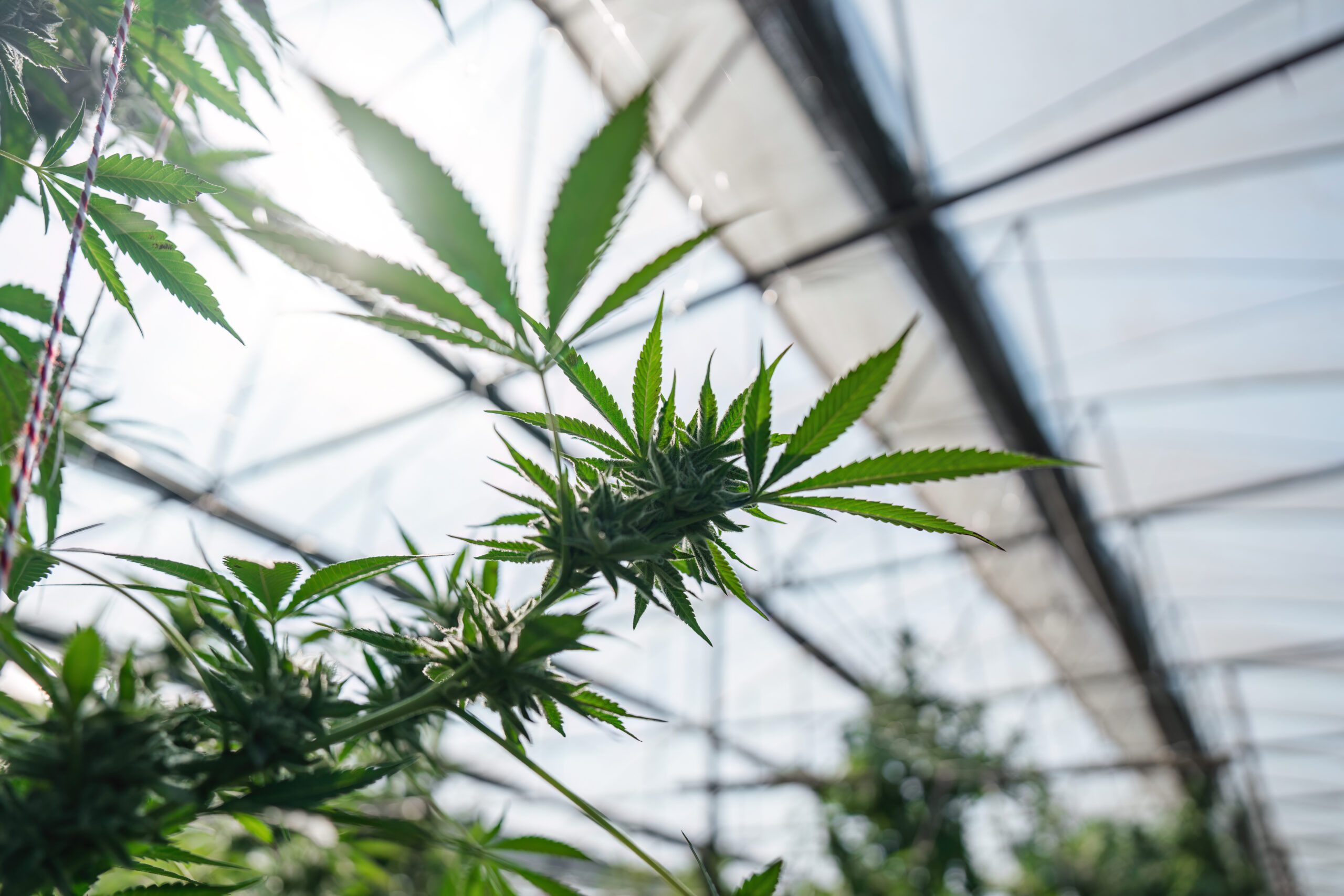
From old school to High-Tech: How João Constantino revolutionized medicinal growing with Plant Empowerment
Open: From old school to High-Tech: How João Constantino revolutionized medicinal growing with Plant Empowerment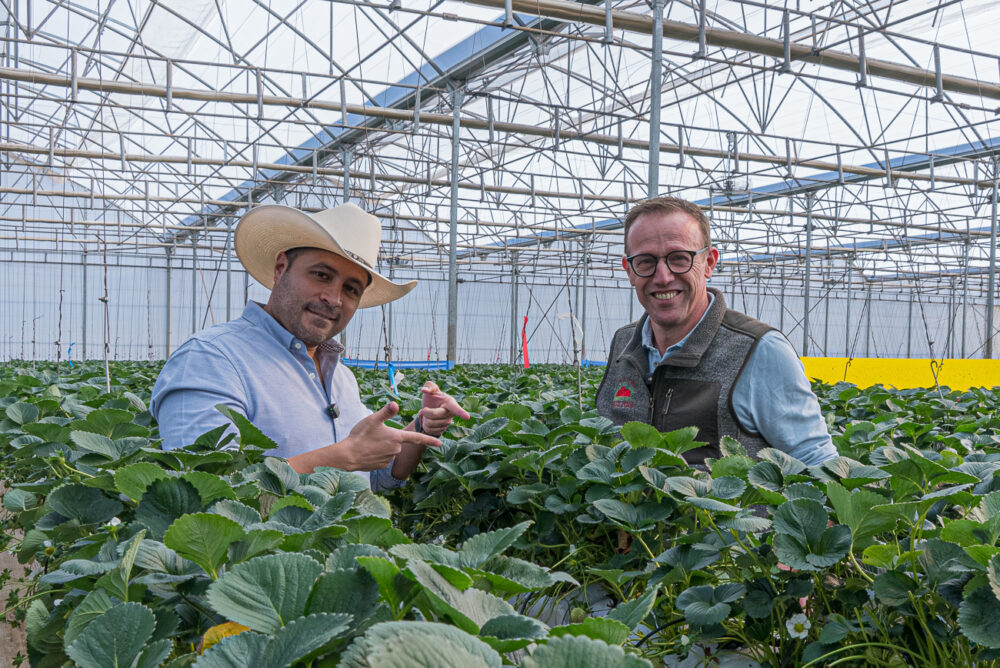
Doubling strawberry production two years in a row with Plant Empowerment
Open: Doubling strawberry production two years in a row with Plant Empowerment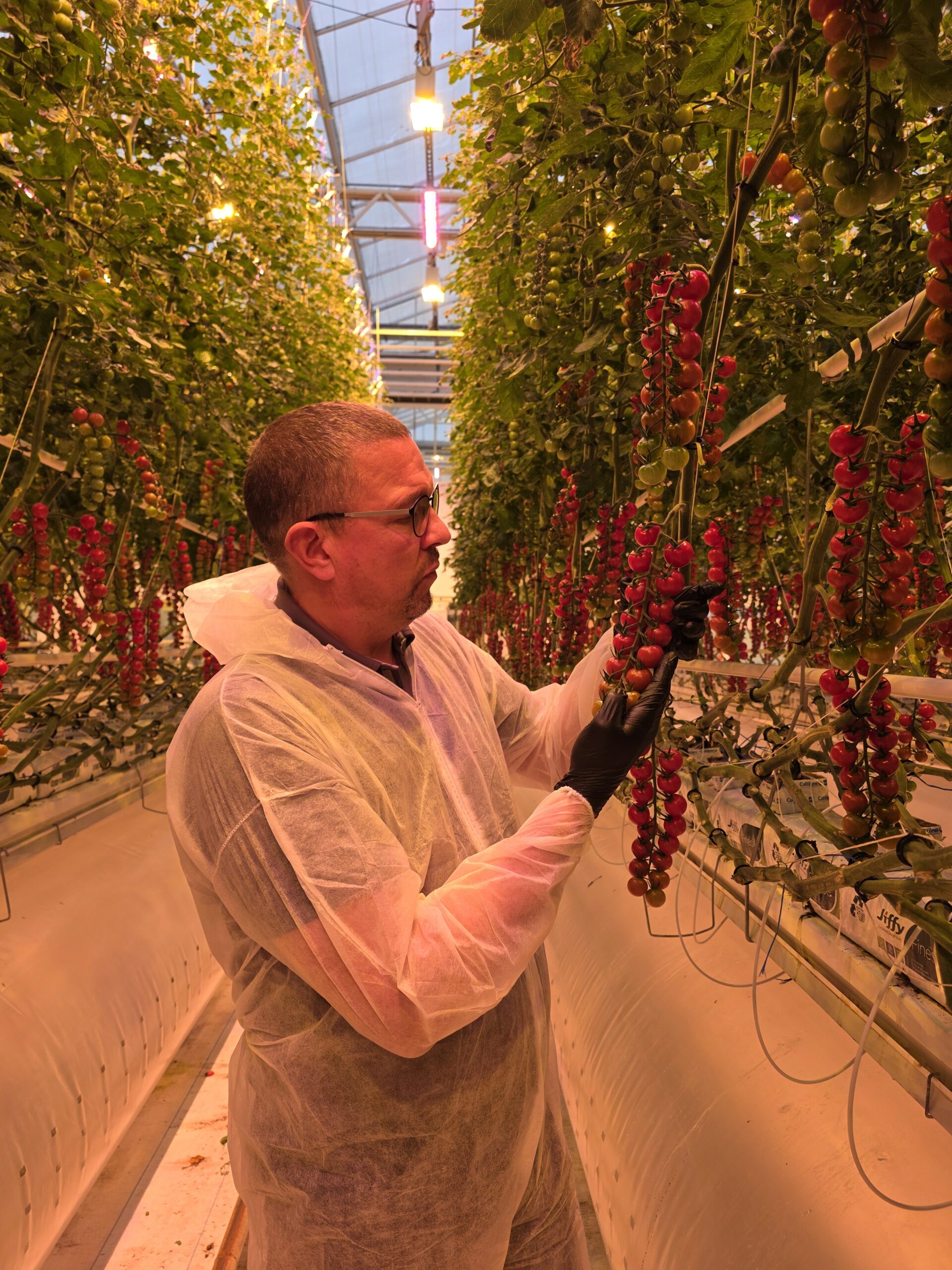
From inspiration to implementation: the value of the Plant Empowerment knowledge platform
Open: From inspiration to implementation: the value of the Plant Empowerment knowledge platform
Improving tomato growth and reduces chemical use
Open: Improving tomato growth and reduces chemical use
Data-driven growing keeps growers ahead of the curve
Open: Data-driven growing keeps growers ahead of the curve
From Mexico to Amsterdam: Paula’s journey through the Summer School
Open: From Mexico to Amsterdam: Paula’s journey through the Summer School
Small changes guided by Plant Empowerment make a big difference
Open: Small changes guided by Plant Empowerment make a big difference