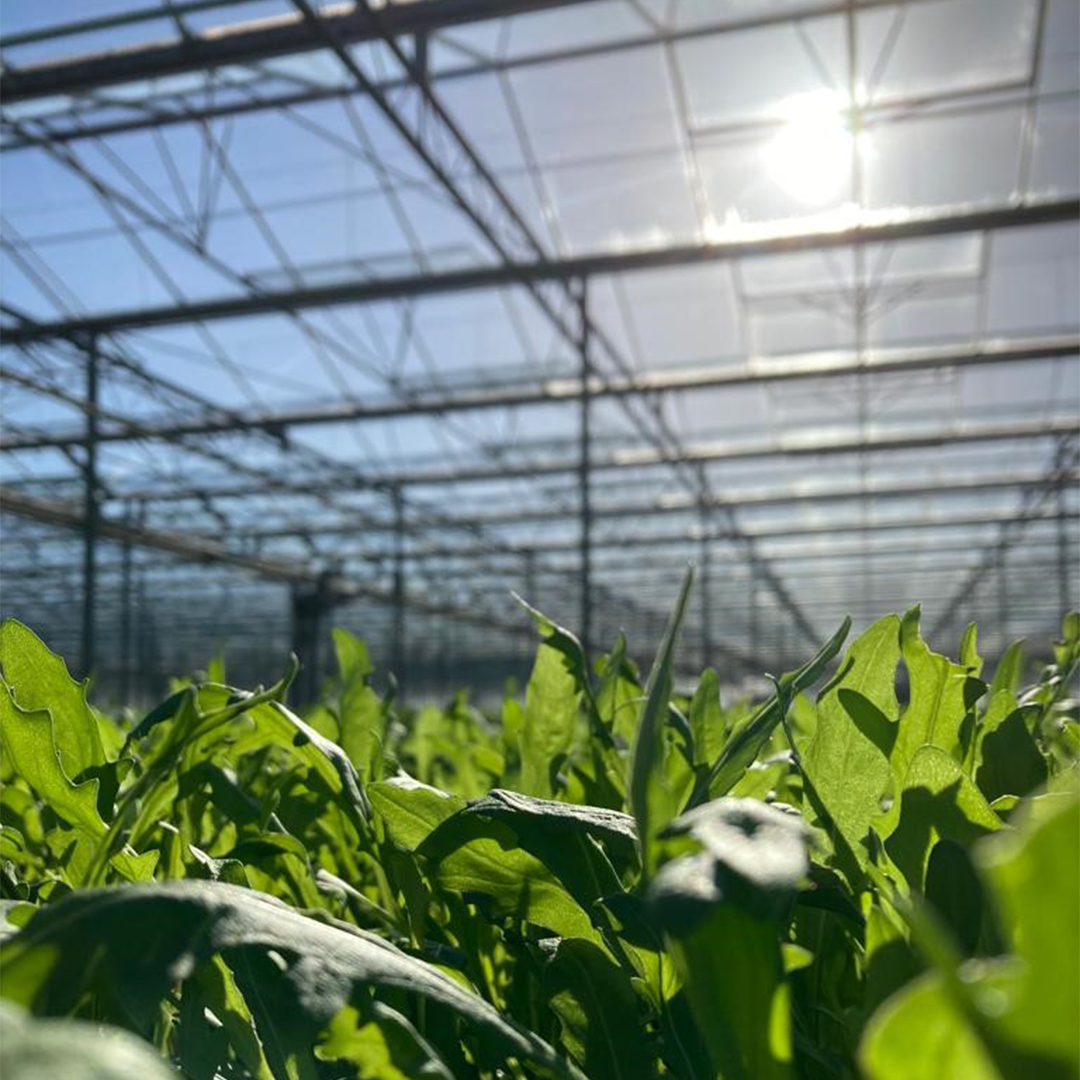
The switch from HPS to LED lighting is about more than choosing a different type of fixture. Because both lighting systems introduce heat into the greenhouse differently, the climate and the plant’s energy balance change as well.
Heat from lighting
From HPS to LED: what changes for your crop?
Many growers are looking for ways to reduce energy consumption and improve the efficiency of their lighting strategy. Switching from HPS (High Pressure Sodium) to LED lighting can be an important step, but it requires more than simply replacing one fixture with another.
HPS and LED lighting produce and distribute heat differently. As a result, switching to LED affects the temperature and climate in the greenhouse, as well as the energy balance of the plant. The crop may therefore respond differently, making it important to monitor the growing conditions and adjust the cultivation strategy where necessary.
Light is part of the energy balance
Light is one of the most important energy sources in the greenhouse. By looking at lighting as part of the complete energy balance, growers can better understand how light intensity, energy consumption, greenhouse climate and crop growth interact.
The goal is not simply to provide as much light as possible. It is to find the right balance between the light available to the crop, the energy used and the conditions needed for healthy growth. This can help improve efficiency and support higher production per square metre.
Want to learn more about artificial lighting?
Want to understand more about the different types of heat produced by lighting and the differences between HPS and LED? Explore our four-part e-book How Artificial Lighting Can Optimize Efficiency for more in-depth knowledge and practical insights.
Get the e-bookContinue reading
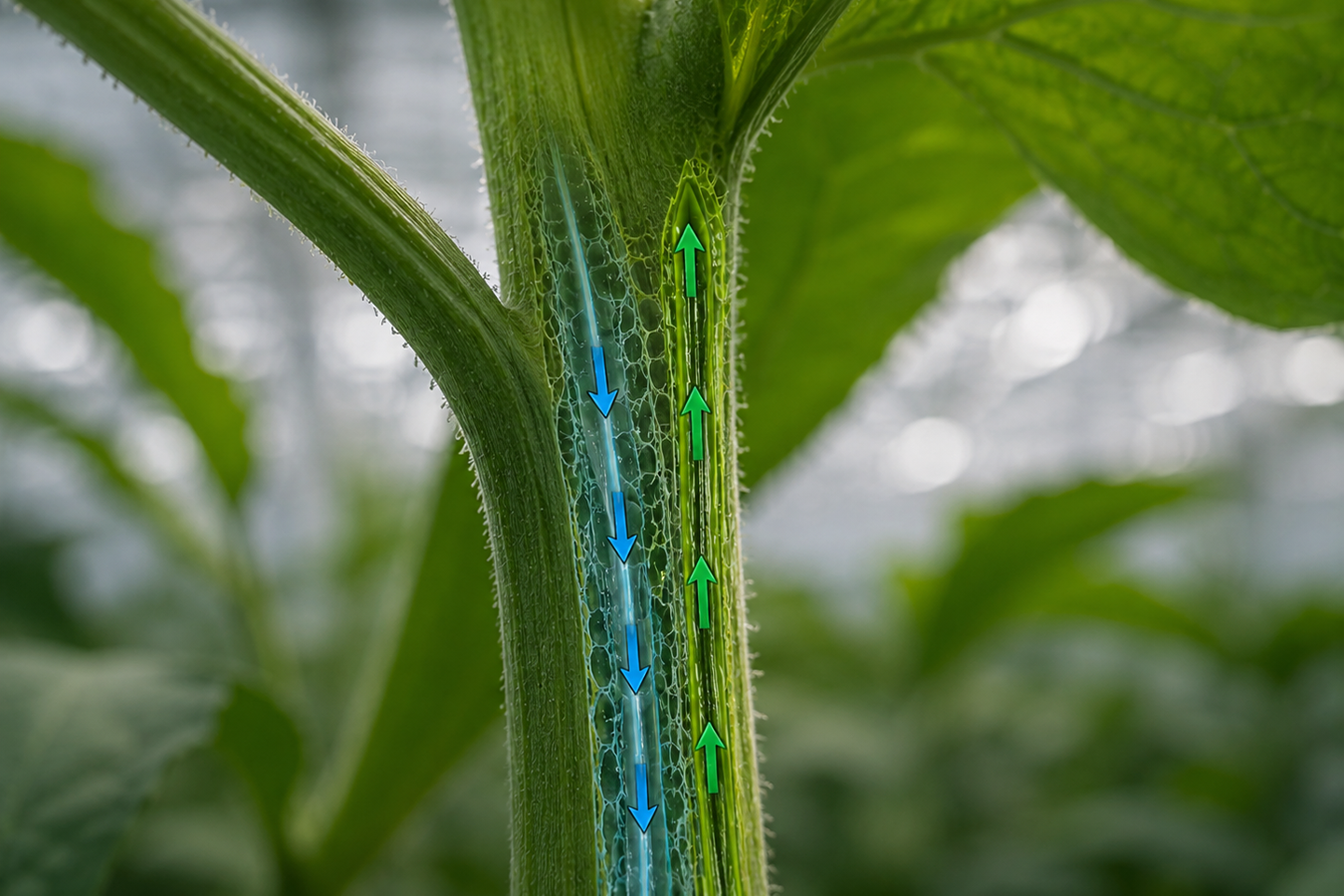
How plants transport water, minerals and sugars
Open: How plants transport water, minerals and sugars
Understanding absolute humidity in greenhouse climate control
Open: Understanding absolute humidity in greenhouse climate control