Why do pepper plants wilt even when the presence of a pathogen does not fully explain the symptoms? In the latest episode of the Plant Empowerment Podcast, plant health specialist Petra van der Goes discusses the role of root health, sugar distribution and toxins in crop resilience.
Rethinking Plant Health in pepper cultivation
What is really causing pepper plants to wilt?
When pepper plants begin to wilt, Fusarium is often one of the first suspects. But according to plant health specialist Petra van der Goes, identifying a pathogen does not necessarily explain why a crop is struggling.
In a recent case involving wilting pepper plants, Van der Goes questioned the conventional diagnosis. The plants did not always show the expected symptoms, and some were able to recover. These observations led her to investigate what else might be happening in the root zone.
Looking beyond the pathogen
Van der Goes describes plant health as a balance between the plant, its environment and the microorganisms present. A pathogen may be present without causing visible damage. The conditions in which the plant grows can determine whether that presence becomes a problem.
In the pepper case, her investigation pointed towards toxins in the root environment. She also considered how changes in cultivation practices, including water recirculation and the use of hydrogen peroxide, might influence the situation.
Her findings raised an important question: are growers sometimes treating the suspected pathogen without addressing the conditions that allow plant stress to develop?
The relationship between fruit load and root health
One of the key topics in the conversation is the distribution of sugars within the plant.
Leaves produce sugars through photosynthesis. These sugars are used by different plant organs, including growing fruits and roots. When fruit demand increases, the distribution of sugars changes. Under certain conditions, the roots may receive less energy, making it more difficult to maintain root function and develop new roots.
Van der Goes explains how this can leave roots more vulnerable to toxins in the root zone. Oxidative stress can add to the pressure, potentially contributing to root dysfunction and wilting.
The discussion highlights the importance of looking at the plant as a whole. Fruit load, photosynthesis, root development and the conditions around the roots are connected. Focusing on one factor in isolation may not reveal the underlying cause of a problem.
Listen to the full episode
How can growers recognise early signs of root stress? What can measurements such as Brix tell us about the balance between leaves and roots? And how should growers approach root health before periods of high fruit load?
In this episode of the Plant Empowerment Podcast, Van der Goes explores these questions with hosts Stijn and Mark, drawing on practical observations from pepper cultivation.
Continue reading
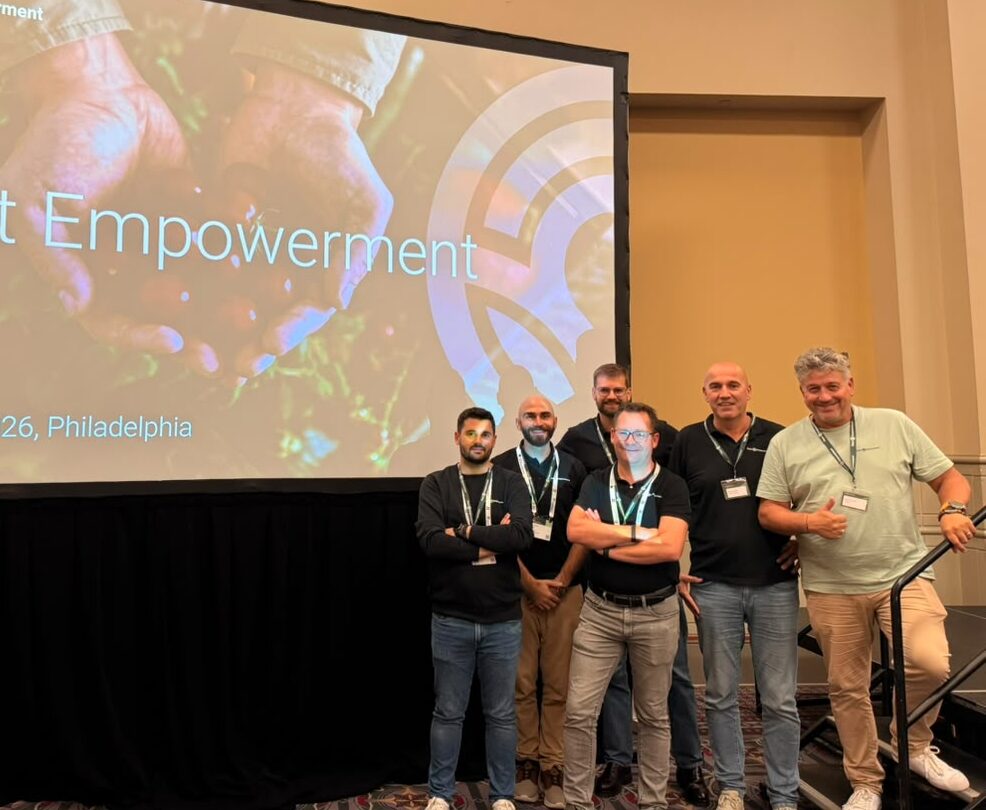
Plant Empowerment hosts its first US training in Philadelphia
Open: Plant Empowerment hosts its first US training in Philadelphia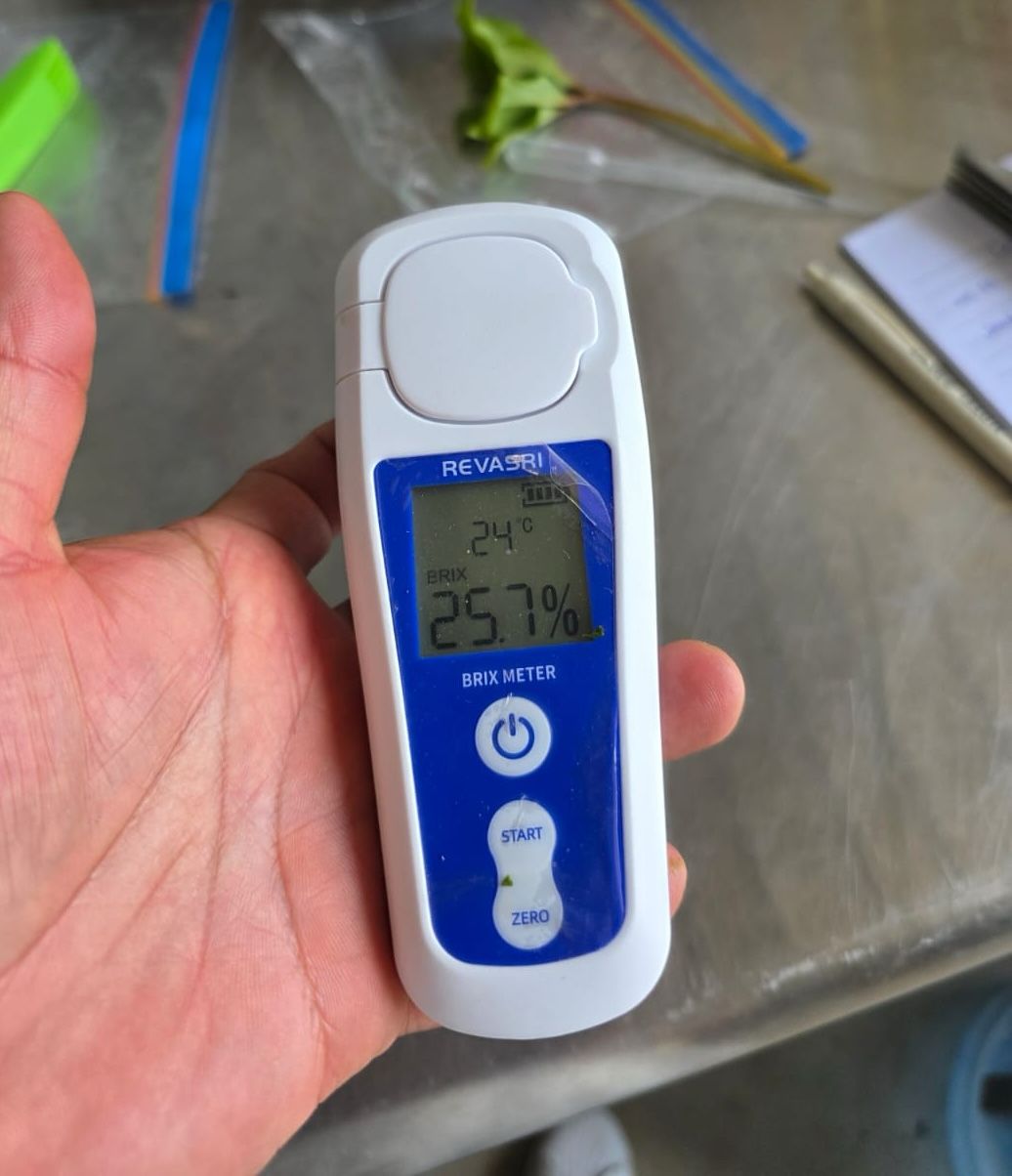
Training the next generation of tomato crop managers
Open: Training the next generation of tomato crop managers