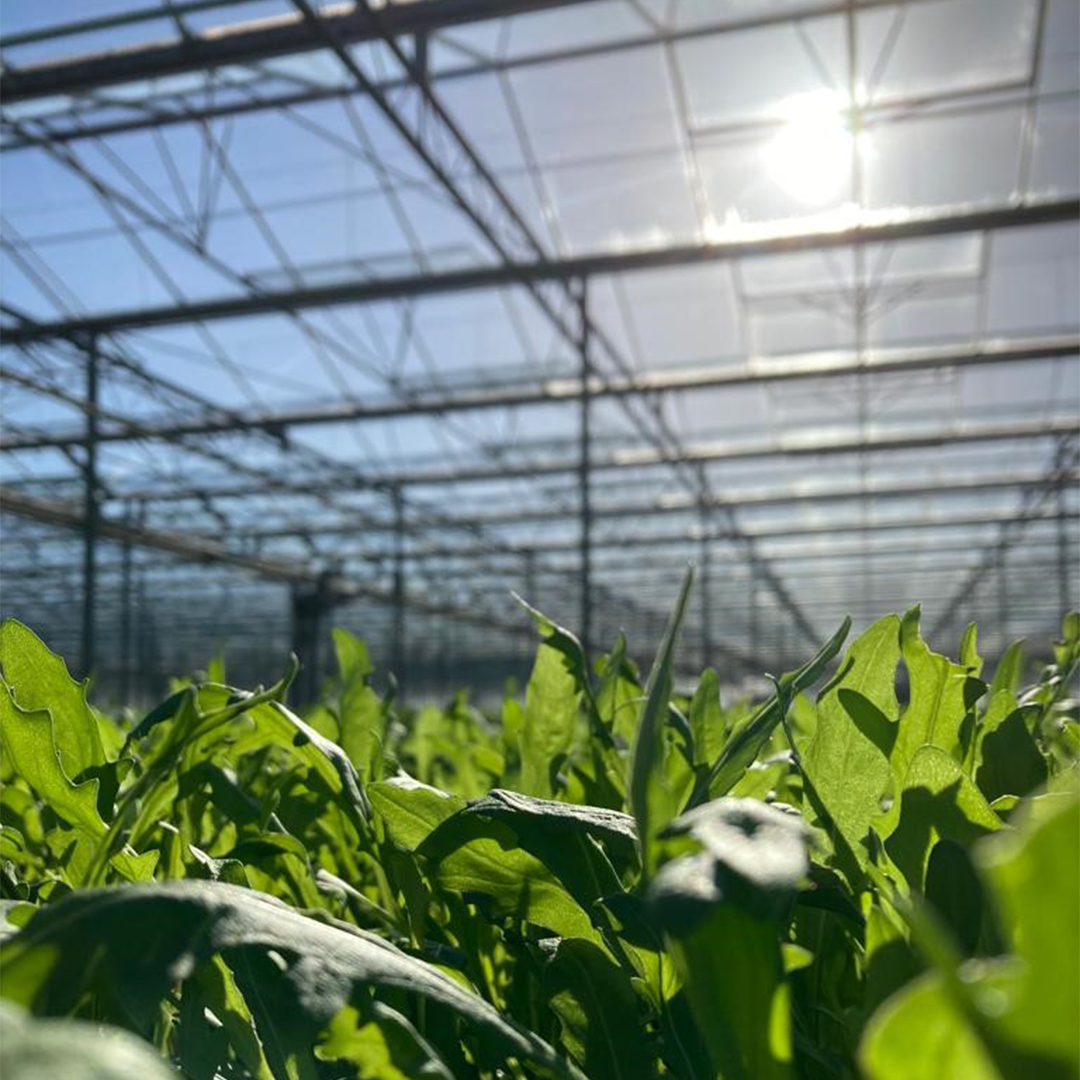
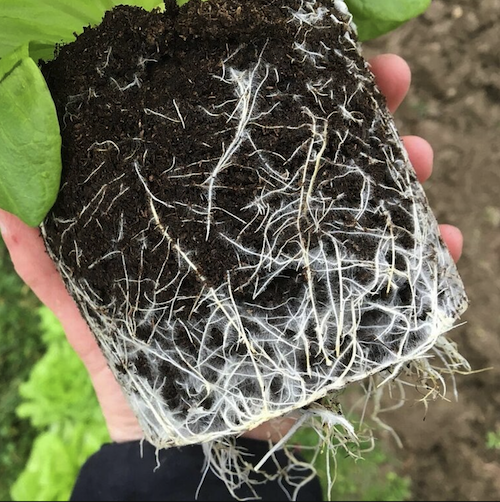
Maintaining the right water balance starts with understanding what is happening in the root zone. Continuous measurements of water content, EC and temperature help growers respond to the actual needs of the crop and anticipate changes before corrective action is needed.
How to create an optimal water balance
Understanding what happens in the root zone
The water balance of a plant is constantly changing. Light, temperature, humidity and plant activity all influence how much water the crop needs and how quickly water is taken up from the root zone.
A successful irrigation strategy therefore starts with knowing where you stand. Measurements in the substrate provide valuable insight into the conditions surrounding the roots and how these conditions develop throughout the day. Rather than relying on a single measurement, continuous monitoring makes it possible to follow these changes and respond at the right moment.
Measure continuously, not occasionally
“In order to achieve an optimal water balance, you first need to know where you stand. That is why sensor measurements in the slab are crucial. Not once a day, but continuously in different places in the greenhouse.
In this way, you can constantly keep track of the water content, EC and temperature. This enables you to take the right action when the plant really needs it. In other words: you predict what’s going to happen and anticipate it. That’s how you make sure you stay on course and don’t have to make corrections afterwards.”
From reacting to anticipating
Continuous measurements help reveal how the root zone responds to irrigation, changing weather conditions and crop activity. By following trends in water content, EC and temperature, growers can identify changes earlier and make more informed decisions about when and how much to irrigate.
The goal is not simply to collect more data. It is to use that data to better understand what is happening below the surface. This makes it possible to move from correcting problems afterwards to anticipating what the crop is likely to need next.
An optimal water balance is therefore not based on a single measurement or fixed irrigation recipe. It requires continuous insight into the root zone and a strategy that responds to the changing needs of the plant.
Continue reading
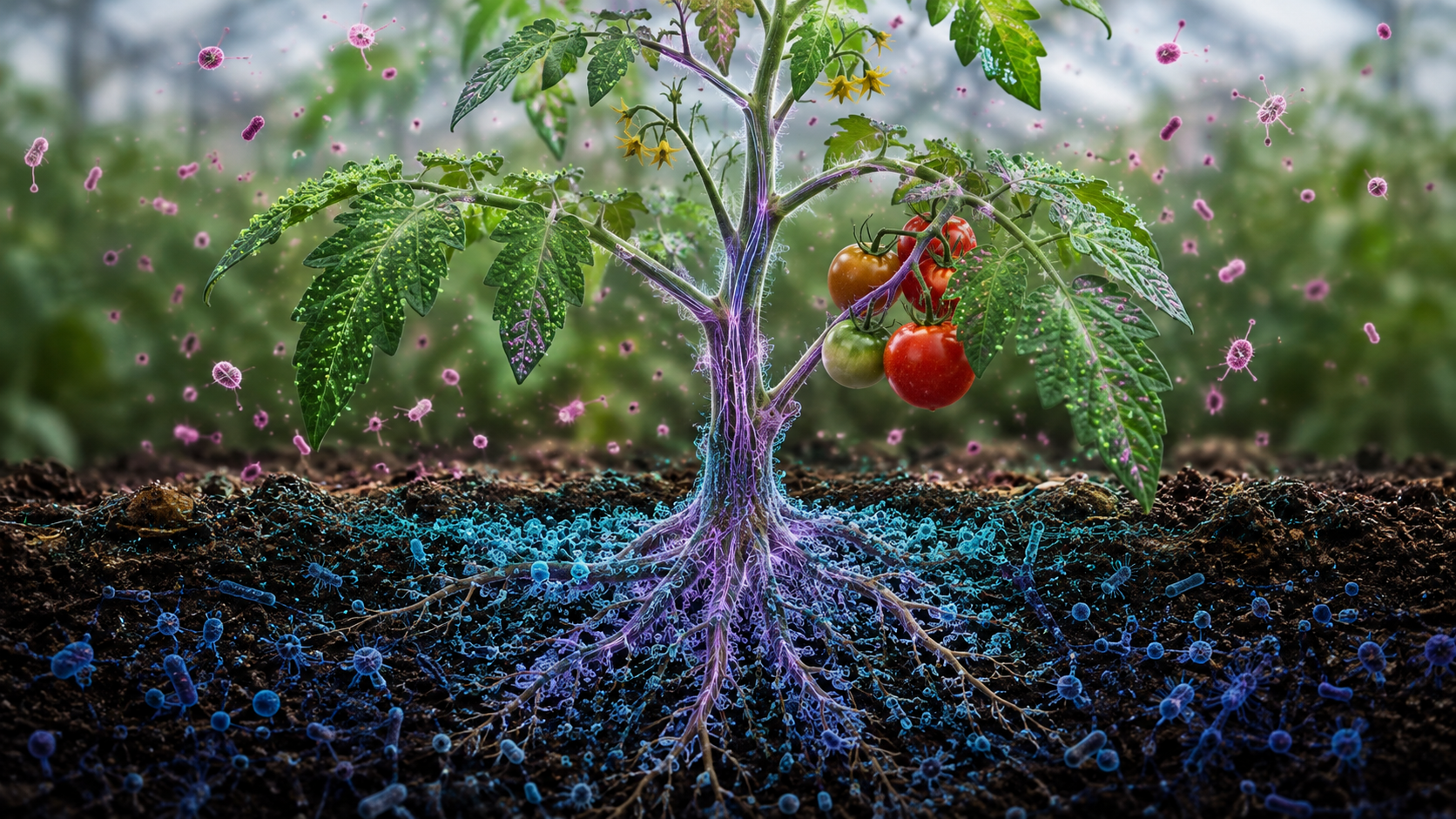
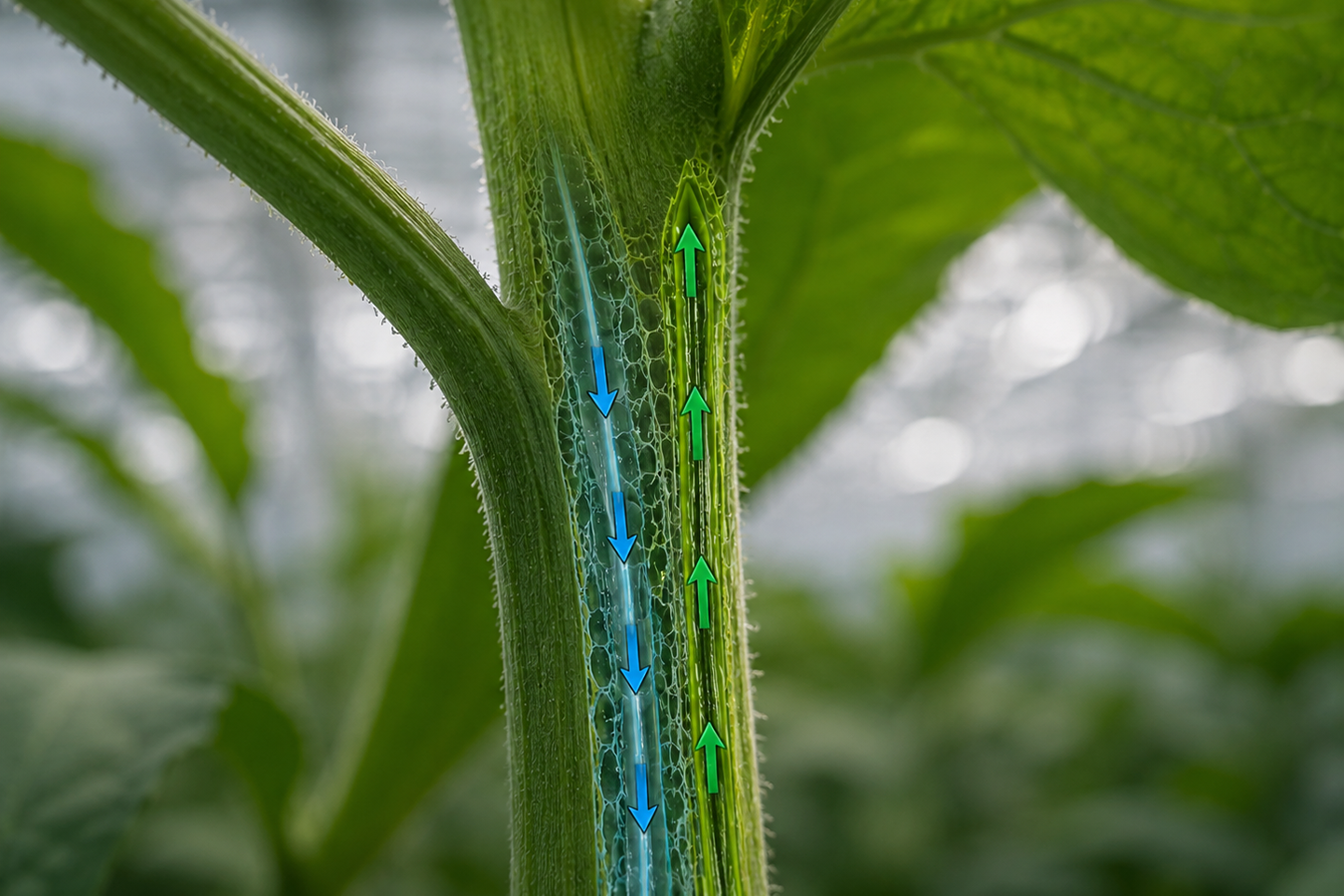
How plants transport water, minerals and sugars
Open: How plants transport water, minerals and sugars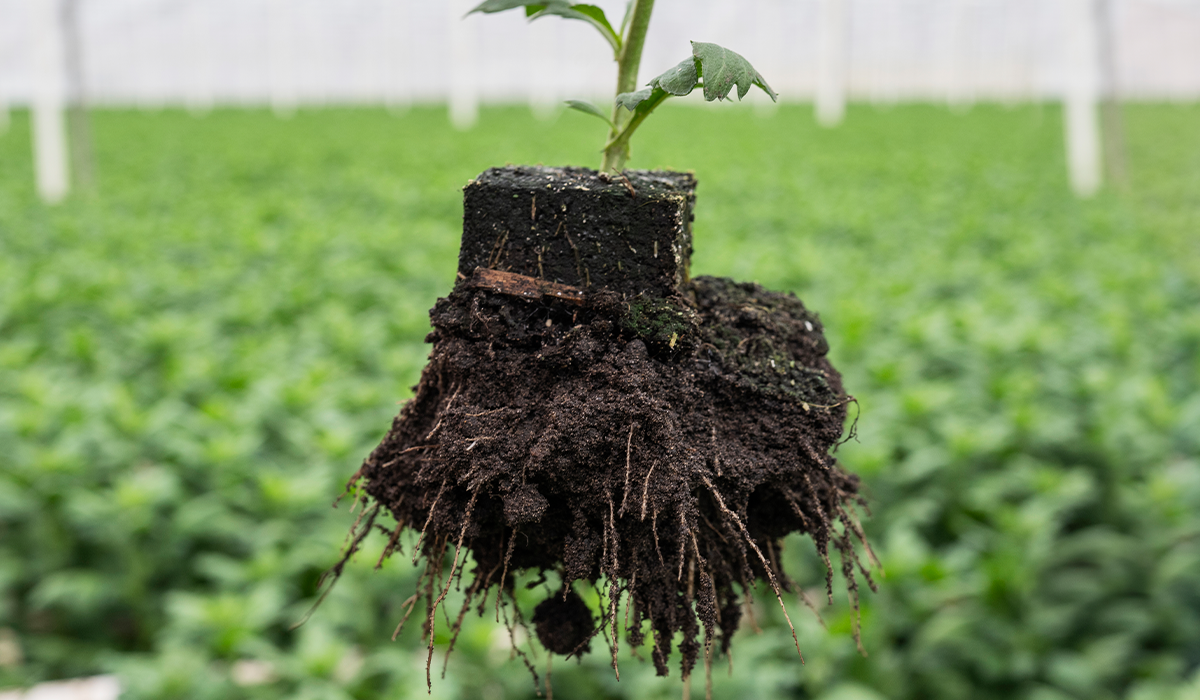
Understanding absolute humidity in greenhouse climate control
Open: Understanding absolute humidity in greenhouse climate control