Nurturing the “Green-Finger Data Growers” Movement
Today, growers like Pinzón are adopting the Plant Empowerment way of growing glasshouse crops. This approach is helping them to produce their crops more sustainably – and achieve higher yields – by using valuable data insights to maintain the plants’ natural balances – water, energy, and assimilates (sugars) – in equilibrium.
When supporting this three-way balance, plants make more efficient use of water, fertilizers, and energy. An important second effect is that plants are more resistant to pests and diseases, just as in nature.
Sharing new insights
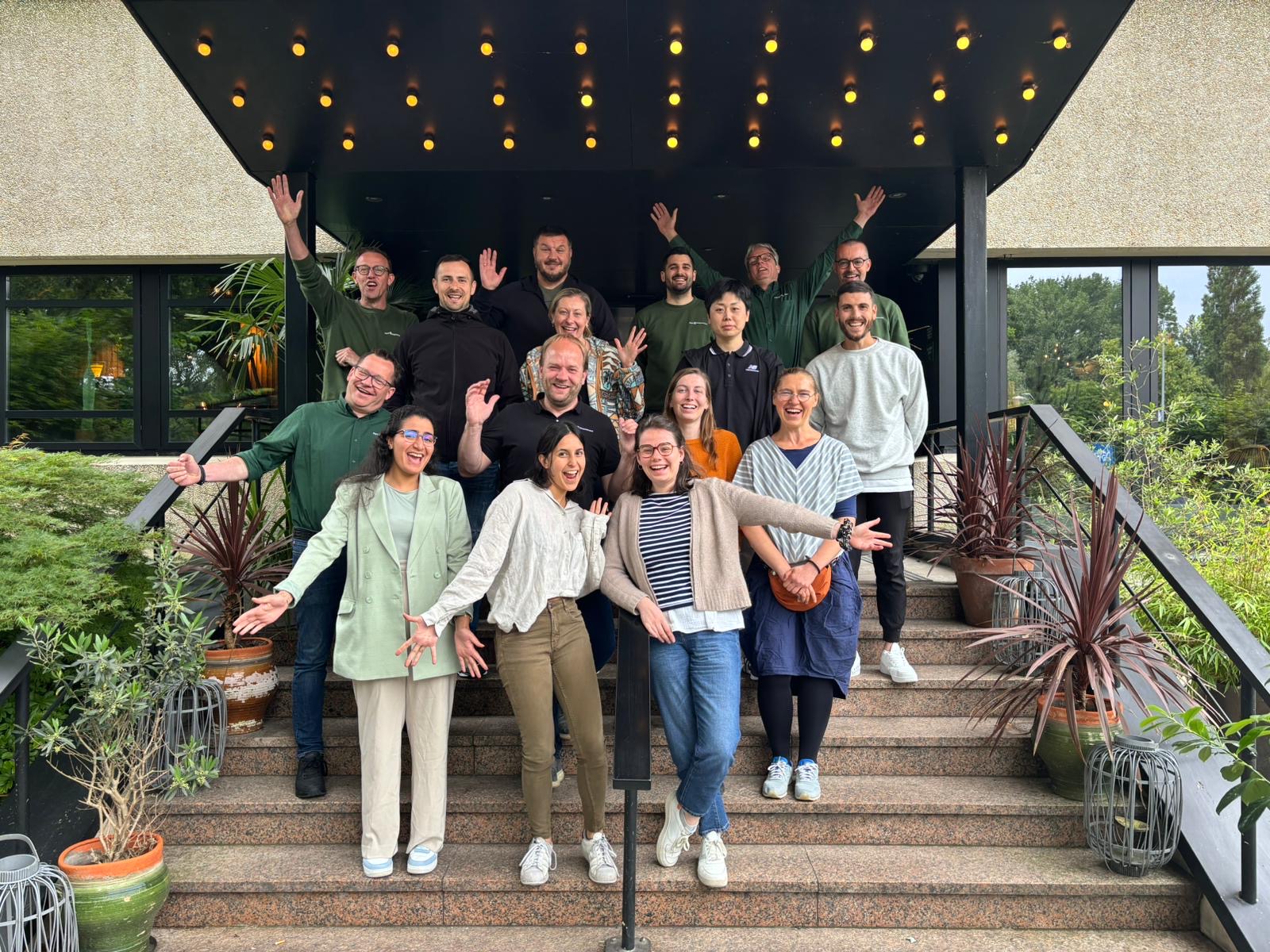
Sponsored by Plant Empowerment’s implementation partners and members of the foundation, the Summer School was a Masterclass that consisted of both theoretical and practical sessions. During these sessions, Plant Empowerment specialists shared new insights around the Plant Empowerment theory.
Pinzón found it was particularly useful to be able to update his knowledge on RTR – the ratio between temperature and radiation. A steady RTR ratio helps to maintain a balance between plantgrowth, mainly induced by light, and plantload, mainly induced by temperature.
He says: “I think we can all be constantly reviewing and improving how we produce our crops in the glasshouse. How can we optimise the RTR strategy for our crop, for example? And given that temperature-light ratio also plays an important role in creating optimum growing conditions, what light use efficiency are we striving for? Likewise, how are we going to adjust the use of our climate screens? Because the strategic and effective utilization of screens can keep a better VPD (vapor pressure difference) during day and night, reduce irradiation at night, and therefore decrease gas consumption – allowing us to grow more sustainable crops.”
The tomato grower adds that, during the Summer School, he was reminded of the great variation that can occur in tomato crops’ vertical profiles. There can be, for instance, a five-degree (5°C) temperature difference between the roots and the top of the plant – differences that the implementation of the Plant Empowerment principles can help moderate.
Drawing inspiration from industry
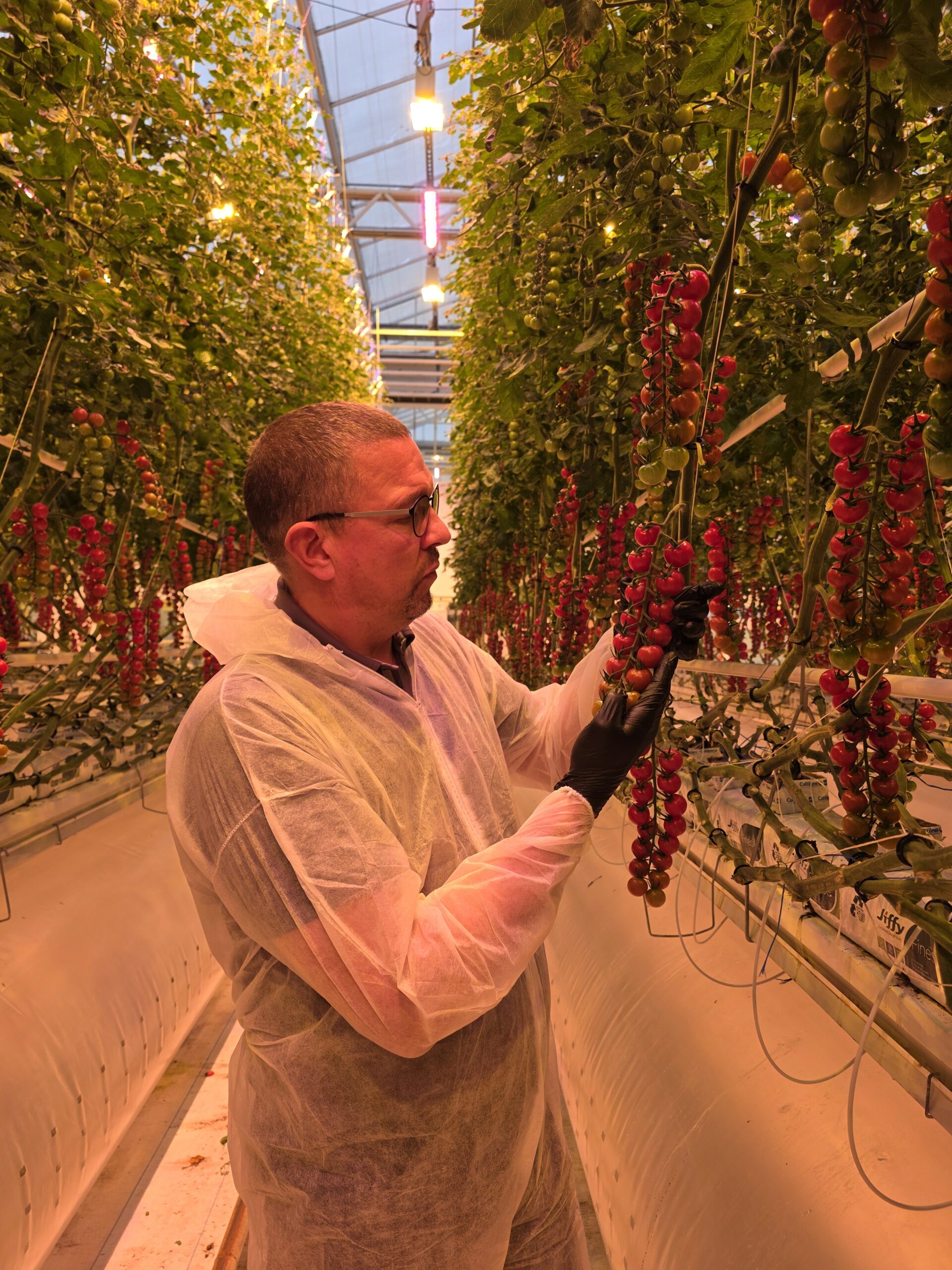
Pinzón recalls how the Summer School group members were inspired by their visit to the BASF Vegetable Seeds’ site. There, they were able to see, first hand, how the application of the Plant Empowerment, data-driven philosophy – making intelligent use of data – helped the breeder to achieve a yield of 121 kilograms of tomatoes. “We went to visit BASF and I was so inspired by what I saw there that, shortly after the Summer School, I visited them again to learn more about their growing strategy.”
The tomato grower was also impressed by the latest innovations from Plant Empowerment implementation partners in data transformation and useful crop insight and analyses.