Better results start before the crop cycle begins. By setting clear goals, learning from historical data and making the most of your greenhouse, equipment and plants, you can create a growing strategy with a clear direction from day one.
Make a plan
Start with a clear goal
Every greenhouse and every crop cycle is different. For one greenhouse, the main objective may be to achieve maximum production while maintaining the highest possible quality. For another, the focus may be on improving resource use efficiency or reducing energy consumption.
That is why the first step is to define what you want to achieve. A clear goal gives direction to the decisions you make throughout the crop cycle and helps determine which data, strategies and resources deserve the most attention.
Once the goal is clear, you can start building a plan around it.
Learn from historical data
Historical data can provide valuable insight into what to expect during the coming crop cycle. Previous measurements of radiation, climate conditions, crop development and resource use can help reveal patterns and show how the greenhouse and crop responded under different circumstances.
Use this information to look ahead. What conditions can you expect during different periods of the year? Which challenges occurred in previous crop cycles? And where is there room to improve?
Historical data cannot predict every day of the coming season, but it can provide a stronger foundation for your growing strategy.
Make the most of your greenhouse
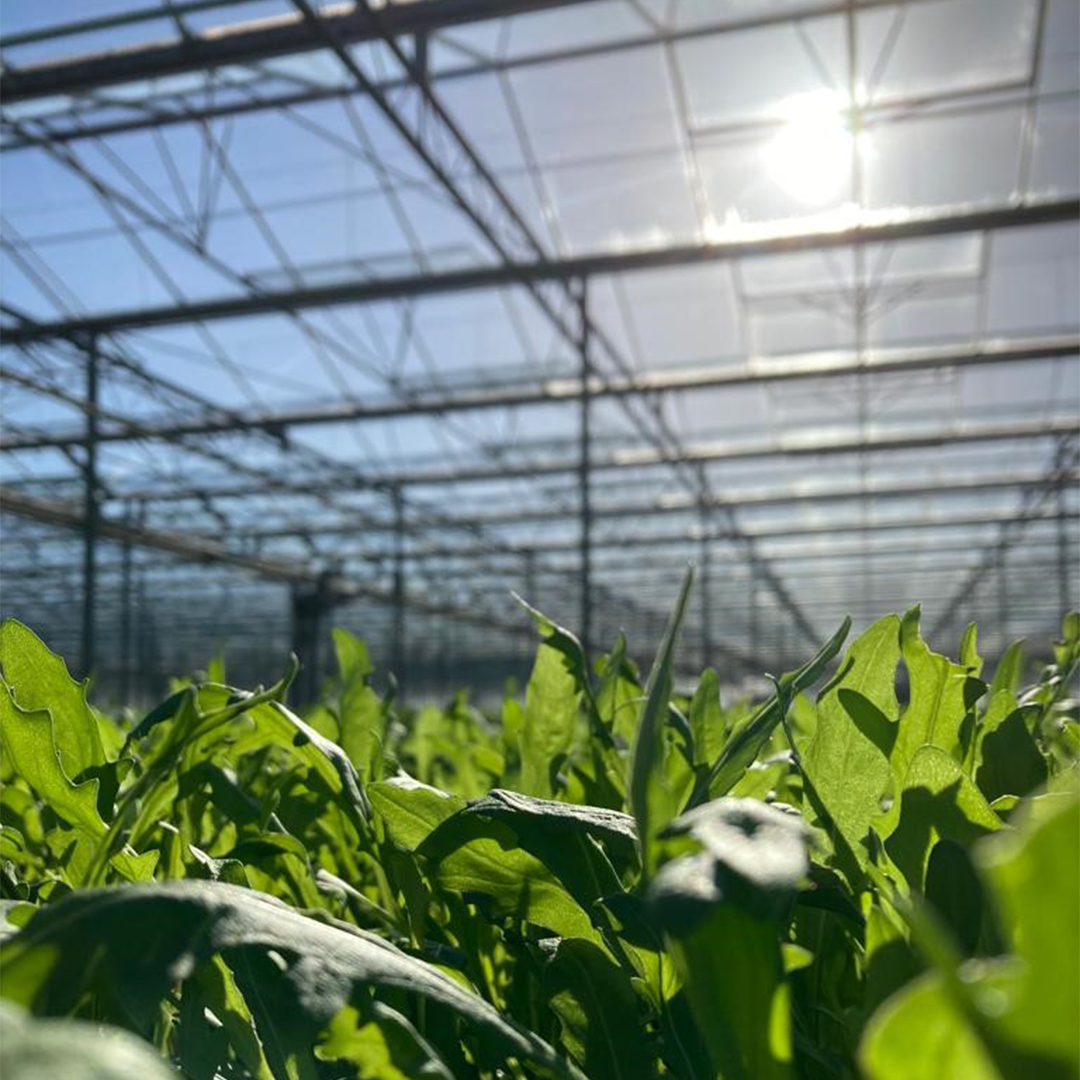
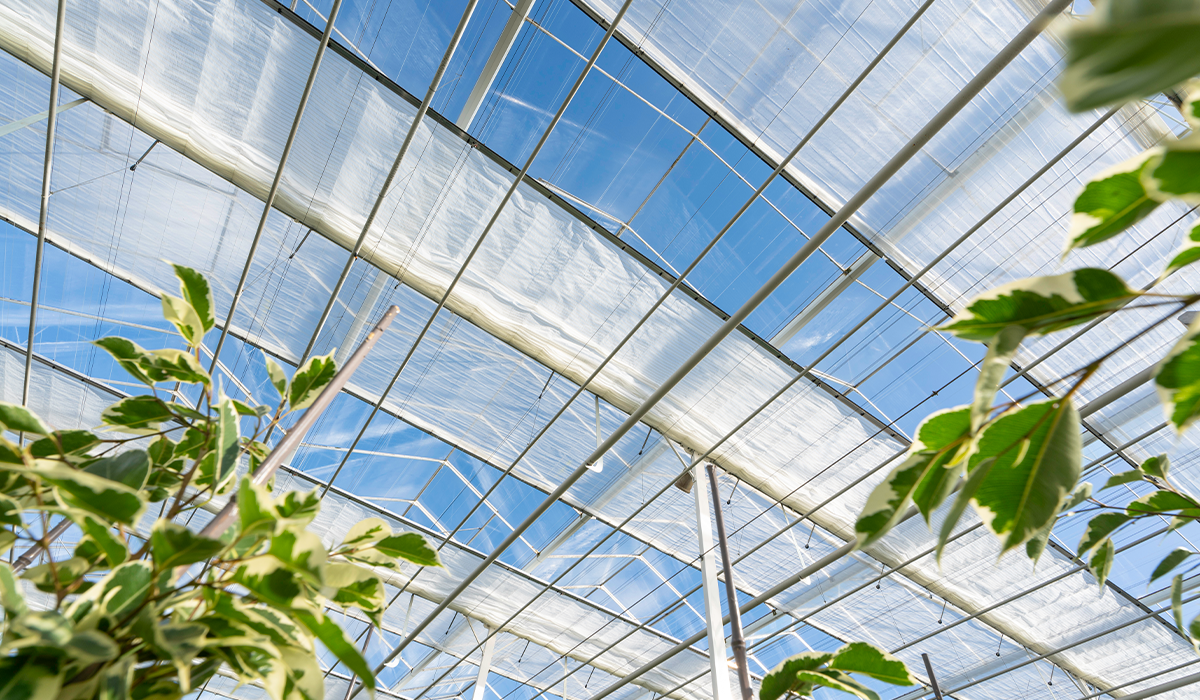
A good plan also considers the equipment already available in the greenhouse. Screens, for example, can help reduce energy input and support a more homogeneous climate for the crop.
Think about how your installations can work together to support your goals. Rather than looking at climate, energy and equipment as separate elements, consider how they interact and how they can be used more effectively throughout the crop cycle. Making the most of the equipment you already have can help create better growing conditions while using resources more efficiently.
Listen to your plants
Even the best plan needs feedback. Greenhouse data can tell you about the conditions you create, but crop data helps you understand how the plants actually respond.
By using measurements and observations to “listen” to the crop, you can make more objective decisions and adjust your strategy when needed. Is the plant responding as expected? Are your climate settings supporting the desired growth? And do you need to steer differently as conditions change? A plan provides direction, but the crop provides continuous feedback.
Plan, measure and adjust
Better results rarely come from one isolated decision. They come from setting a clear goal, using available knowledge and equipment wisely, and continuously evaluating how the crop responds.
Start with a plan, but keep learning throughout the crop cycle. Use historical data to prepare, greenhouse data to understand the conditions and crop data to see whether your strategy is working. That is how a plan becomes a growing strategy.
Continue reading
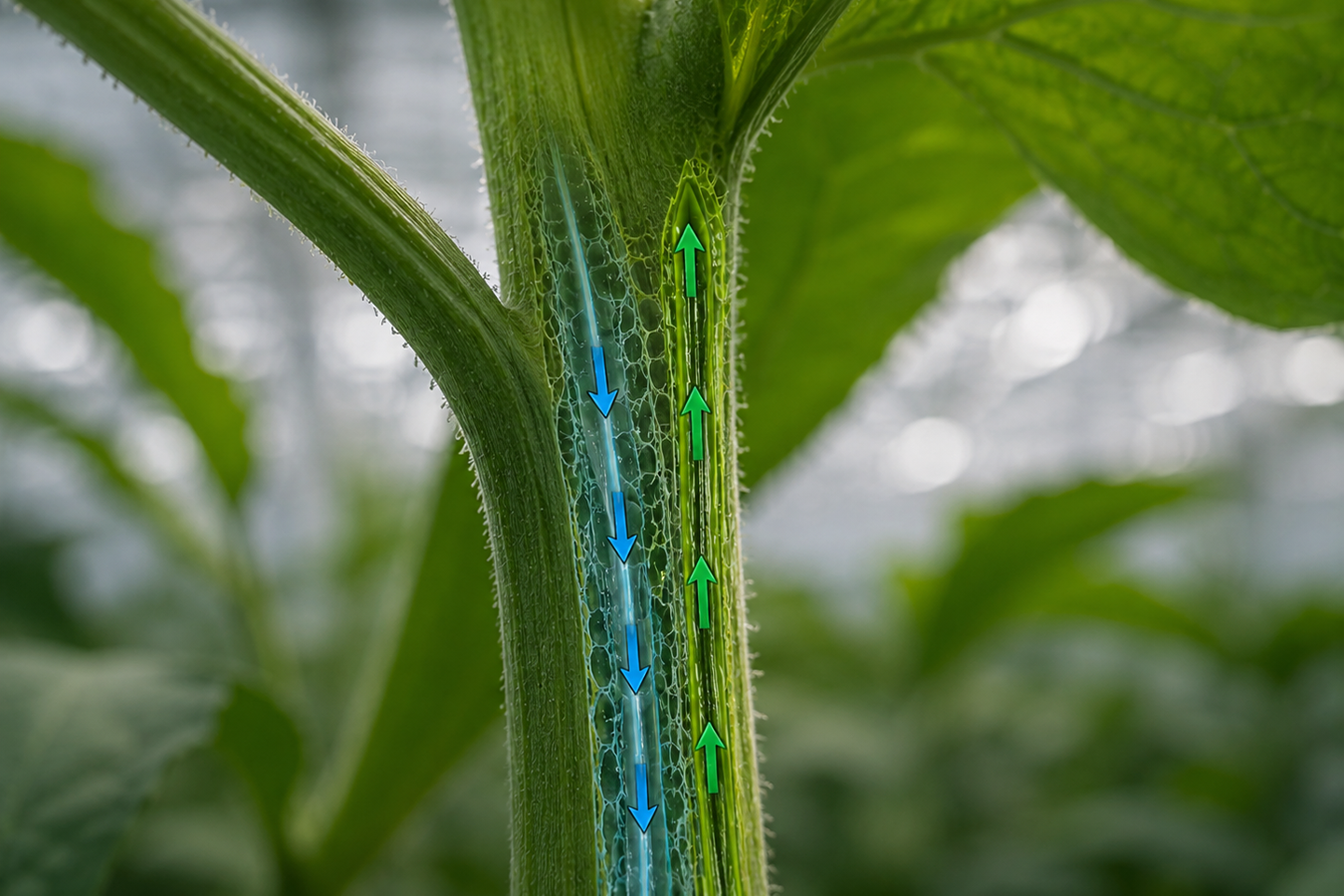
How plants transport water, minerals and sugars
Open: How plants transport water, minerals and sugars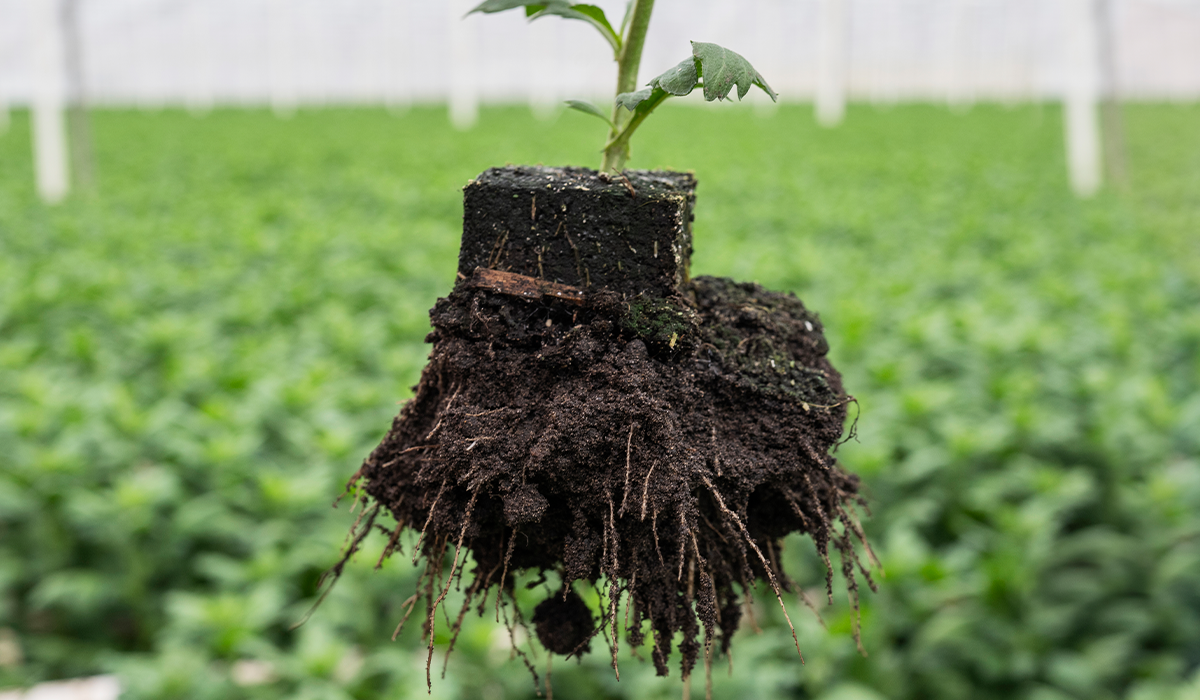
Understanding absolute humidity in greenhouse climate control
Open: Understanding absolute humidity in greenhouse climate control