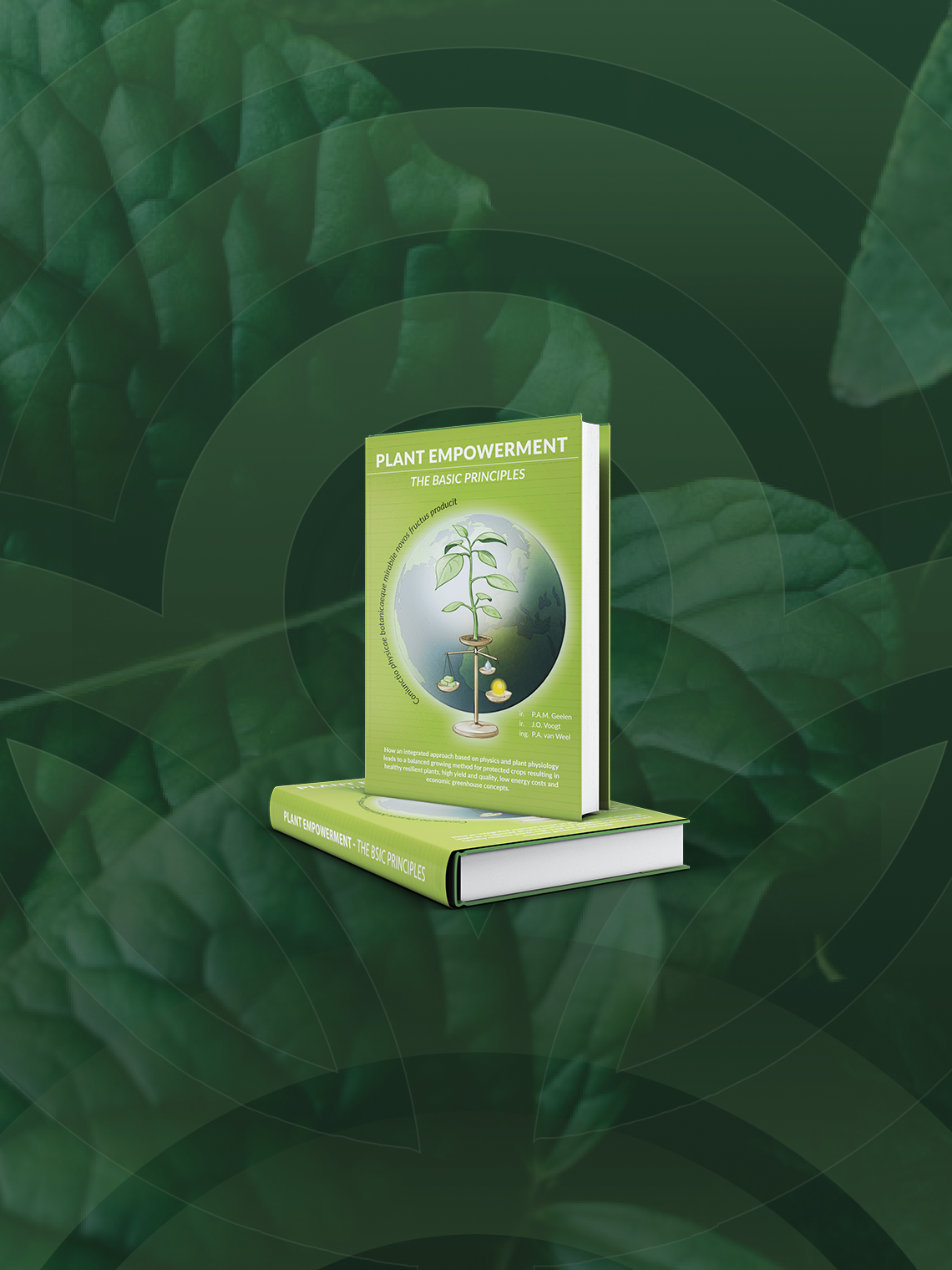
In this practical course, we guide you step by step through the complete process of creating a fertilizer schedule. Using a downloadable Excel template, you’ll learn how to calculate nutrient ratios, account for your incoming water quality and translate everything into a practical A & B tank recipe. This course is also included in the Plant Empowerment Full Membership.
Course
Build your own fertilizer schedule
Understand the logic behind a fertilizer schedule
A fertilizer schedule is much more than filling in numbers. Every decision influences nutrient uptake, plant health and crop performance. Yet many growers rely on existing recipes without fully understanding how they’re built.
In this course, you’ll learn the logic behind every calculation. Together we’ll build a complete fertilizer schedule from scratch, making complex nutrient calculations surprisingly straightforward.
Course details
Who should join?
This course is designed for growers, crop managers, consultants and students who want to understand fertilizer schedules instead of simply following them. Whether you’re working in greenhouse horticulture, soft fruit, ornamentals or leafy greens, the principles apply to every crop.
Why this course?
Most growers know how to use a fertilizer schedule. Few know how to build one. By understanding the calculations yourself, you’ll be able to adapt fertilizer recipes to different crops, water qualities and growing conditions with confidence.
About the course
This course is part of Mastering the Dynamics of Your Plant, a year-long learning program built around the Plant Health Circle. Throughout the program, you’ll discover how growing conditions, plant resilience and pests & diseases interact, helping you better understand plant behaviour and make more informed growing decisions.
About the programAbout the trainer
Mark van der Werf – Plant Health Specialist
Mark has years of experience translating plant physiology into practical cultivation strategies. His passion is helping growers understand the processes taking place inside the plant, so they can make better decisions and build naturally resilient crops. During this webinar, he’ll make the science behind pH and Eh easy to understand and directly applicable in greenhouse practice.
Meet the authorPractical information