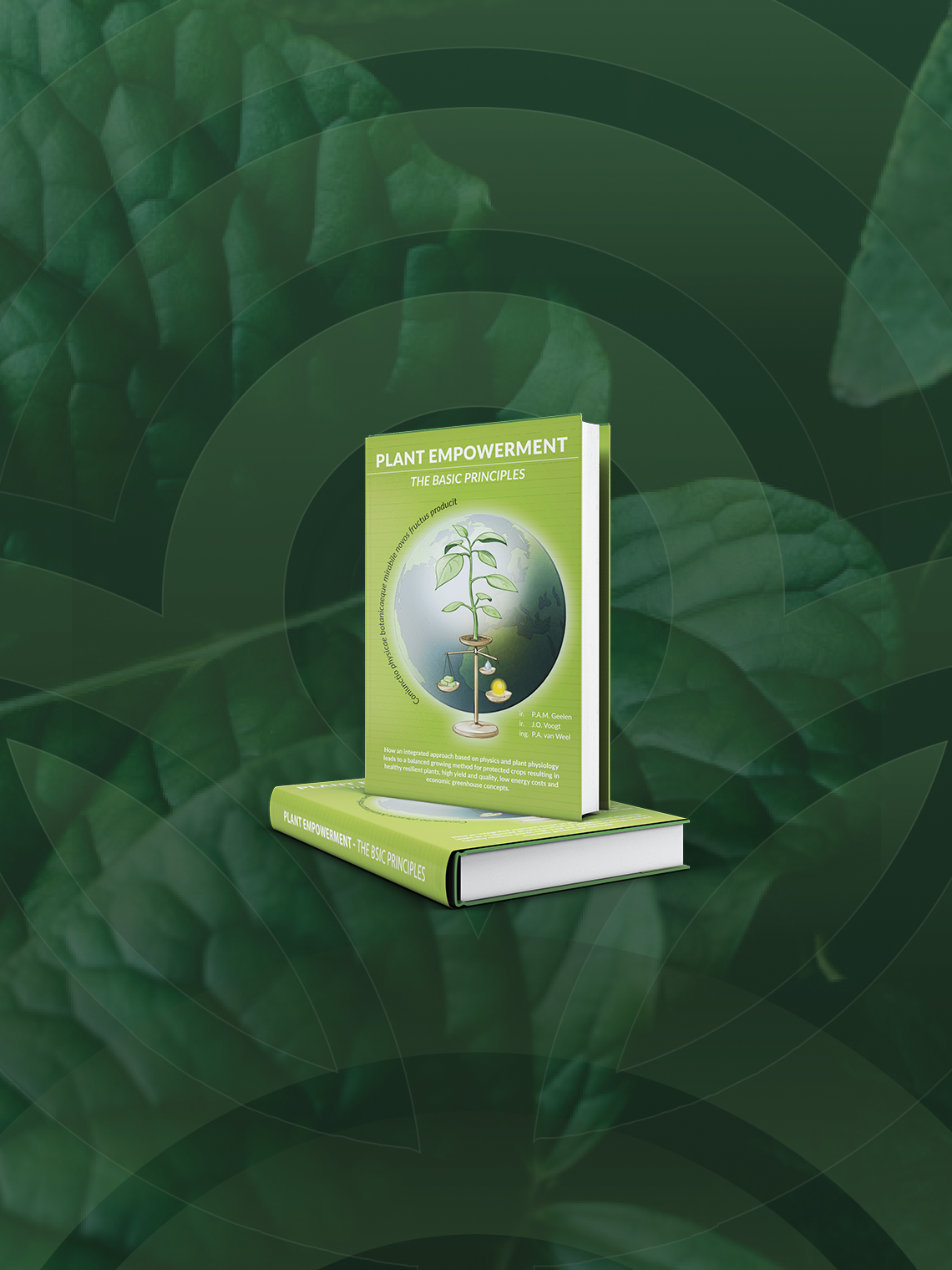
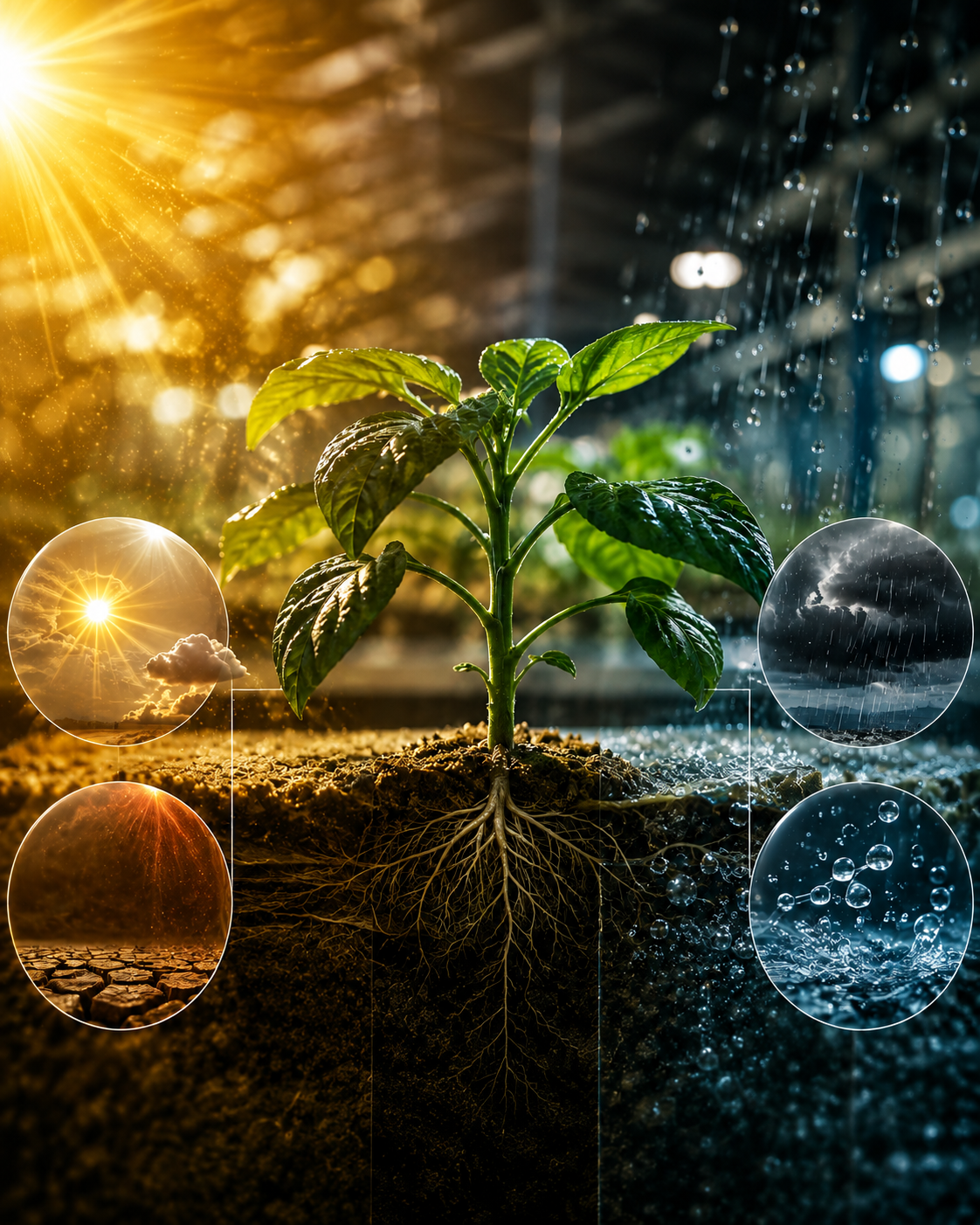
If you want to understand why a plant grows the way it does, rather than simply reacting to what you see, this e-book is your starting point. It brings together the knowledge behind the Plant Empowerment philosophy in one practical guide, helping you make better growing decisions every day.
e-book
Plant Health Circle
Understand your plant before you try to optimize it
Growing a crop isn’t about controlling individual climate settings or irrigation strategies. It’s about understanding how the plant responds to everything happening around it. This e-book explains the underlying principles that drive plant health. Instead of focusing on isolated growing techniques, it shows how energy, water, nutrients and resilience interact as one dynamic system.
e-book details
About the Plant Health Circle
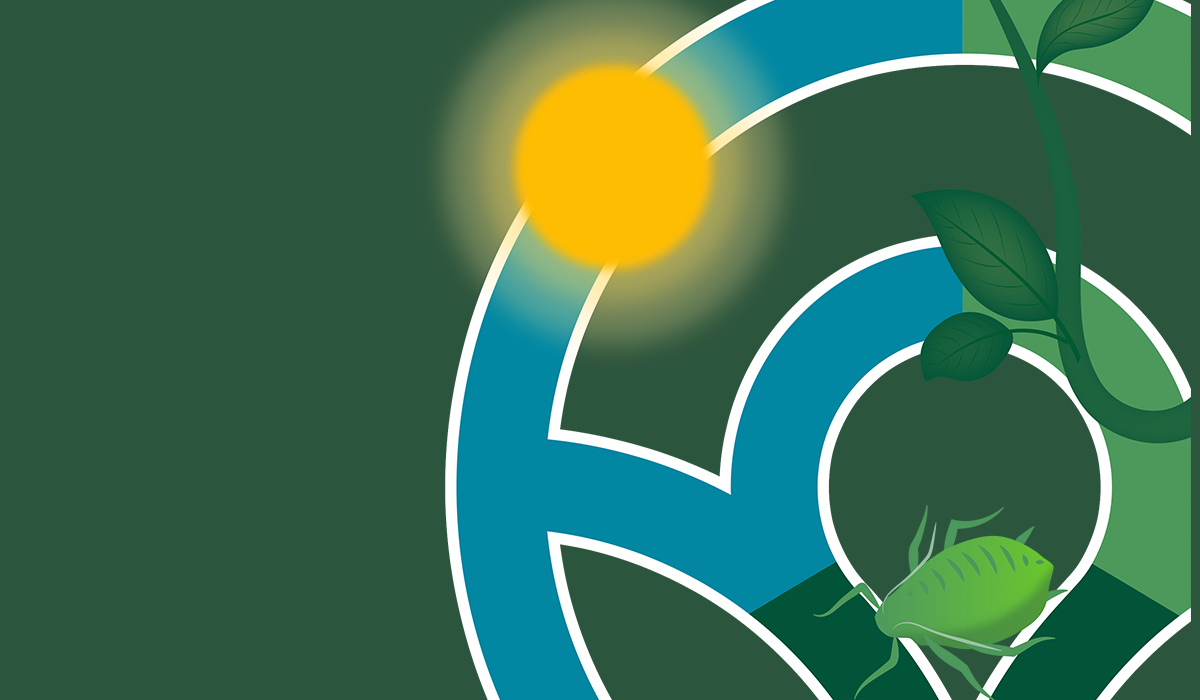
The Plant Health Circle is the foundation of this e-book. Rather than looking at pests or diseases in isolation, it explains how plant health is influenced by the interaction between plant resilience, environmental conditions and biological pressure. Understanding these relationships helps growers prevent problems before they occur and make better growing decisions throughout the season. We hosted a free webinar where you can learn more about this topic.
Who is this e-book for?
This e-book is written for growers and horticultural professionals worldwide. The principles of Plant Empowerment are universal. Whether you work in high-tech greenhouses, protected cultivation or open-field production, every plant follows the same biological principles. Understanding these dynamics helps you make better decisions, grow healthier crops and achieve more consistent results.
About the author
Mark van der Werf – Plant Health Specialist
Mark has years of experience translating plant physiology into practical cultivation strategies. His passion is helping growers understand the processes taking place inside the plant, so they can make better decisions and build naturally resilient crops. During this webinar, he’ll make the science behind pH and Eh easy to understand and directly applicable in greenhouse practice.
Meet the author-
Chapter 1: What is a healthy plant?
Before you can improve plant health, you first need to understand what a healthy plant actually is. Discover how plant health can be observed, measured and monitored, and why Brix, visual observations and plant sap analysis all tell part of the story.
-
Chapter 2: Minimizing the presence of pests and diseases
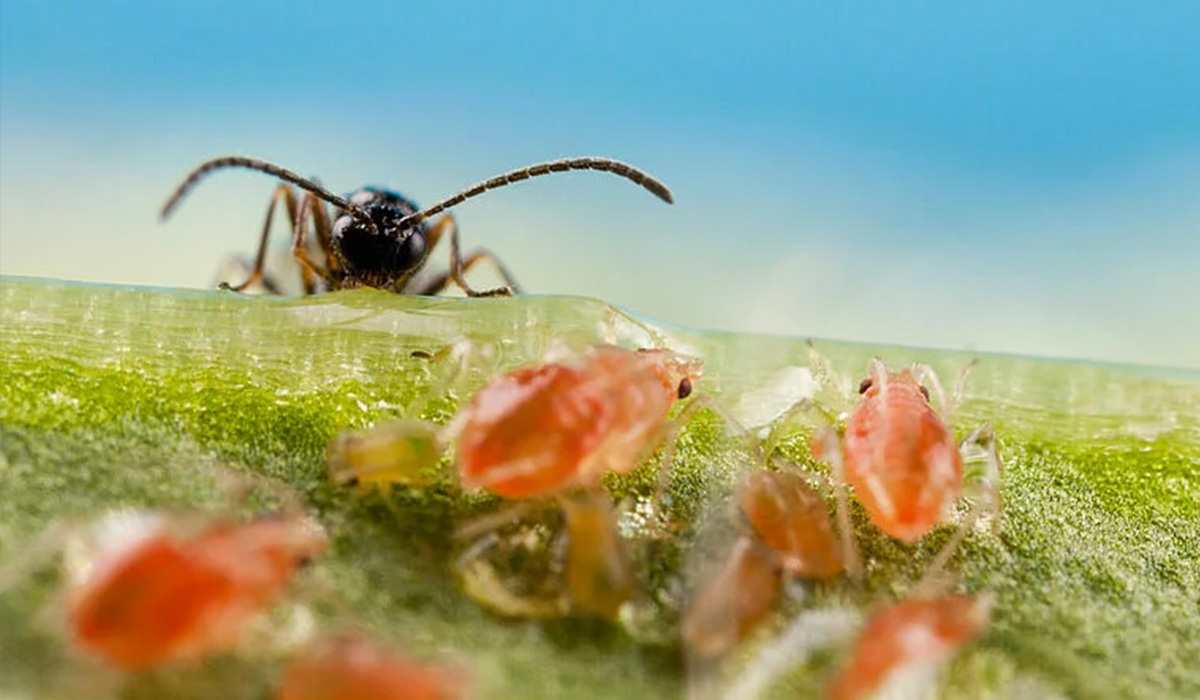
Pests and diseases cannot damage a crop if they never become established. Learn how hygiene, prevention, biological control and integrated crop protection help reduce the presence and impact of insects and pathogens in modern horticulture.
-
Chapter 3: Creating a less conducive environment
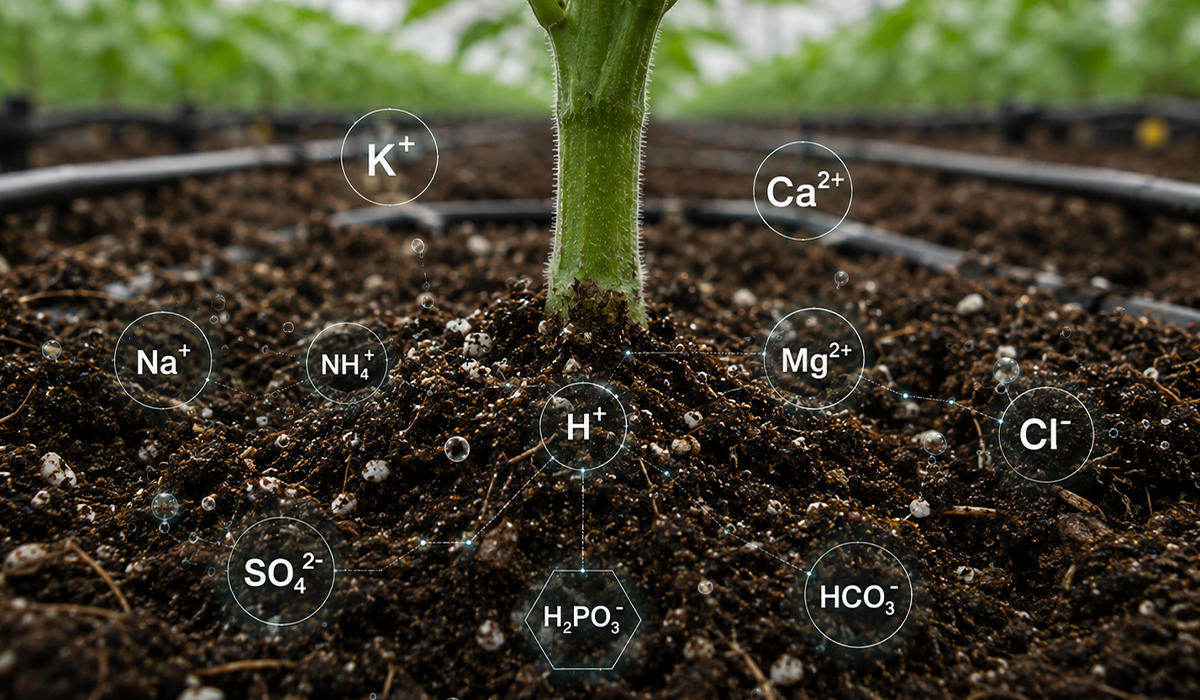
Pythium, Fusarium and Botrytis are often already present. The real question is: what allows them to become a problem? Discover how climate, humidity, irrigation and root zone conditions influence the risk of pests and diseases, and how growers can actively reduce those risk factors.
-
Chapter 4: The resilient plant
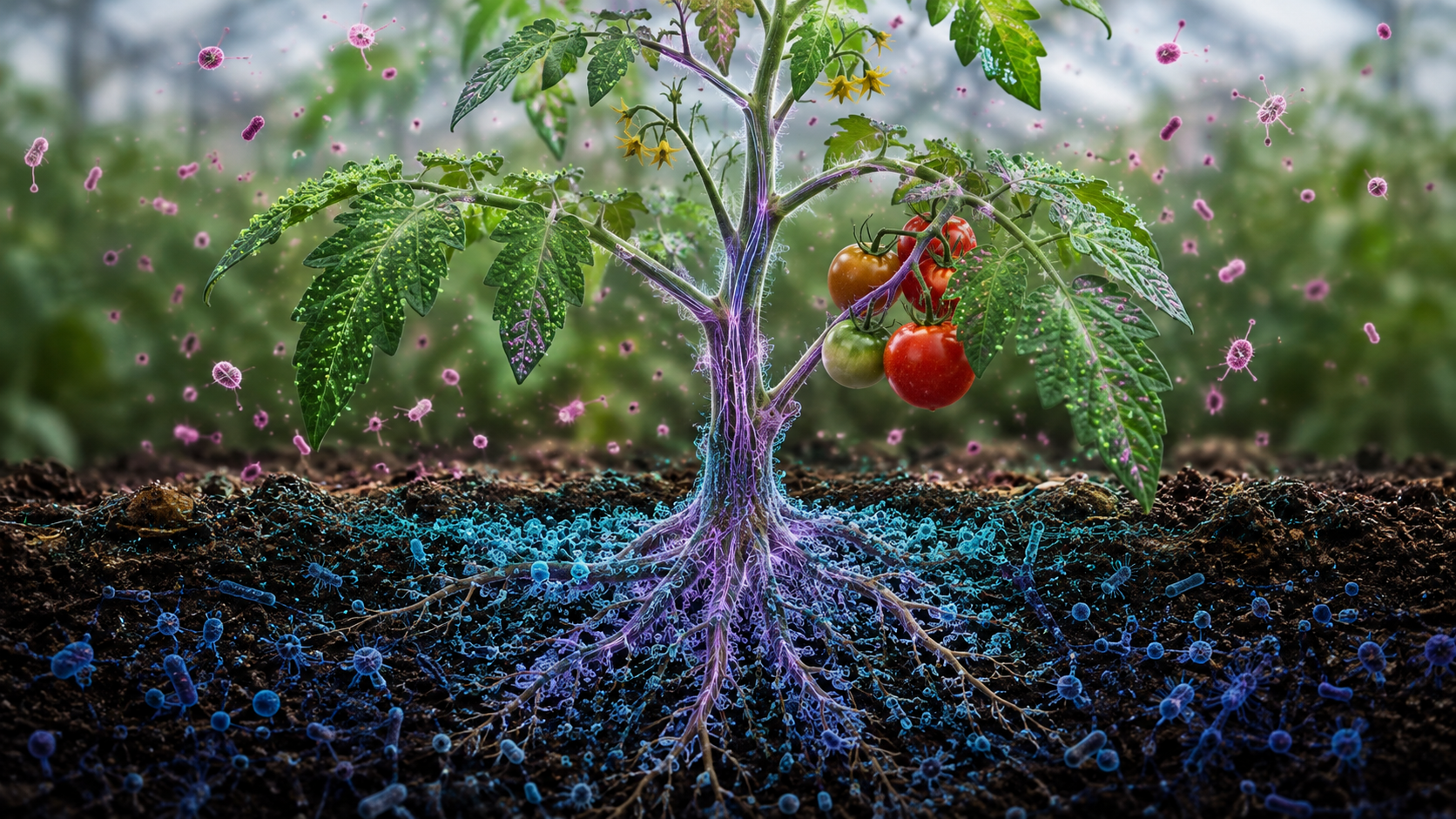
Plants can’t run from stress. They can only defend themselves. Explore the plant’s own defence mechanisms and discover how beneficial microbes, minerals, nutrition and plant sap analysis help build stronger, more resilient crops.
Practical information
More knowledge