The family-owned business P.H. Kuivenhoven Greenhouses Inc. strives to maintain its position as the leading Gerbera grower in the industry. In 2021, the change of ownership to Gilbert and Wilma Kuivenhoven was completed and from then on they ran all of the 230,000 square feet of the facility in Oxford County, Ontario. These Canadian growers set the bar high for product quality. They raised it even higher by using dehumidification, which gave them the opportunity to grow their Gerberas with full climate control.
User Story
Kuivenhoven Greenhouses
Gilbert Kuivenhoven – owner of P.H. Kuivenhoven Greenhouses – is continuously looking at improving the greenhouse climate and committed in 2017 to dehumidification for the next improvement in his Gerberas production. By applying the Plant Empowerment principles and finetuning the air circulation with dehumidification, Gilbert says: “We wanted to optimize crop growth by being able to blackout during long outdoor day lengths, controlling the day-night cycle.” However, using the blackout screen to do so leads to a build-up of warm humid air in the greenhouse. Pulling a crack in the screens is not his desired solution as this negatively affects the day-night cycle and leads to cold drafts that impact the climate.
Optimizing crop growth with dehumidification
To maintain the required humidity and temperature levels Gilbert needed a method to dehumidify and cool the greenhouse, whilst being able to maintain all other climate parameters. “This way we can control day length, humidity, and temperature,” he explains.
Gilbert contacted Herman Dunnink, his advisor and salesman from the Canadian company Global Horticultural Inc. for advice. Together they discussed various options and looked more closely into combined dehumidification and air circulation means. As Herman says: “Gilbert was already making use of vertical air circulation fans and back then in 2017 a recently released combined dehumidification system was evaluated. Gilbert was positive about the results the vertical air circulation fans delivered, so a system that combined those fans with dehumidification caught our interest.”
This new product works with vertical air circulation fans and looked to fit the bill. “The screen fan system pulls air from above the screen and blows it underneath the screen via a duct, like how a crack in the screen allows for air exchange. Only now you control the amount of air exchange and all air that is blown in the greenhouse is evenly distributed by the vertical air circulation.”
“You are in control of the air exchange at all times and there is no risk of cold drafts.”
Installation in the greenhouse
“The dehumidification system consists of a duct that passes in between the screen and the truss. Gilbert and I believed it would be a design and installation challenge to not have the system interfere with the screens. We contacted Kuivenhovens screen installation company about this and they addressed the challenge,” explains Herman from Global. “There is a choice between a single duct that clamps to the truss on one side and a double duct that encloses the truss on both sides. The installation company advised us to use the single duct for Gilbert’s specific requirements.”
After the installation was taken care of, it was time to start using the system. The setup in programming provided a different kind of challenge explains Gilbert: “The relation between humidity and temperature, both inside and outside the greenhouse, is the key to getting the maximum return on this investment. As a grower understanding the physical concept behind it can be difficult at times, as you need to let go of some of your previous anchor points in favor of different ones.” Fortunately, the setup went swiftly as Gilbert has put effort into learning and mastering the physical concept. In addition, he uses climate computers from Hoogendoorn Growth Management, who have a lot of experience with this state-of-the-art approach.
Cooling with outside air below the outside temperature
After several years of using the dehumidification system, Gilbert is very positive about his control of the climate and the day-night cycle. “We see proper climate humidity and climate temperature control as we can also use the crop now for cooling purposes. With the system, we can attain cooling of 4 °C over outside temperatures using the principles of Growing by Plant Empowerment. This for us translates into production since with cooler temperatures new buds are formed. Another benefit from the cooling is that our quality is increased.”
Asides from the increase in quality and production the benefits do not stop yet. “Due to proper climate control we also have better disease control,” explains Gilbert. The use of screens is often also associated with saving energy. Energy savings were considered in the investment in the system, but for Gilbert, the crop comes first.
A smile on your face
Gilbert Kuivenhoven reaps the fruits of his efforts he says: “What especially emerges is that the moisture and the temperature at night can now be regulated in a much better way. Apart from that, we can calculate the energy consumption better since the dehumidification capacity of the system can be calculated. Before, a crack was pulled into the screen with the guessing of the effects.”
Every time Gilbert walks into the greenhouse and sees the gerberas growing, he gets a smile on his face. Both the quality and quantity of the Gerberas are increased by the additional control he has over his climate and a day-night cycle. And at the same time, his energy consumption is reduced. As for the future, he is optimistic that P.H. Kuivenhoven Inc. will hold its leading position for years to come and that they will raise the bar even further.
Other user stories
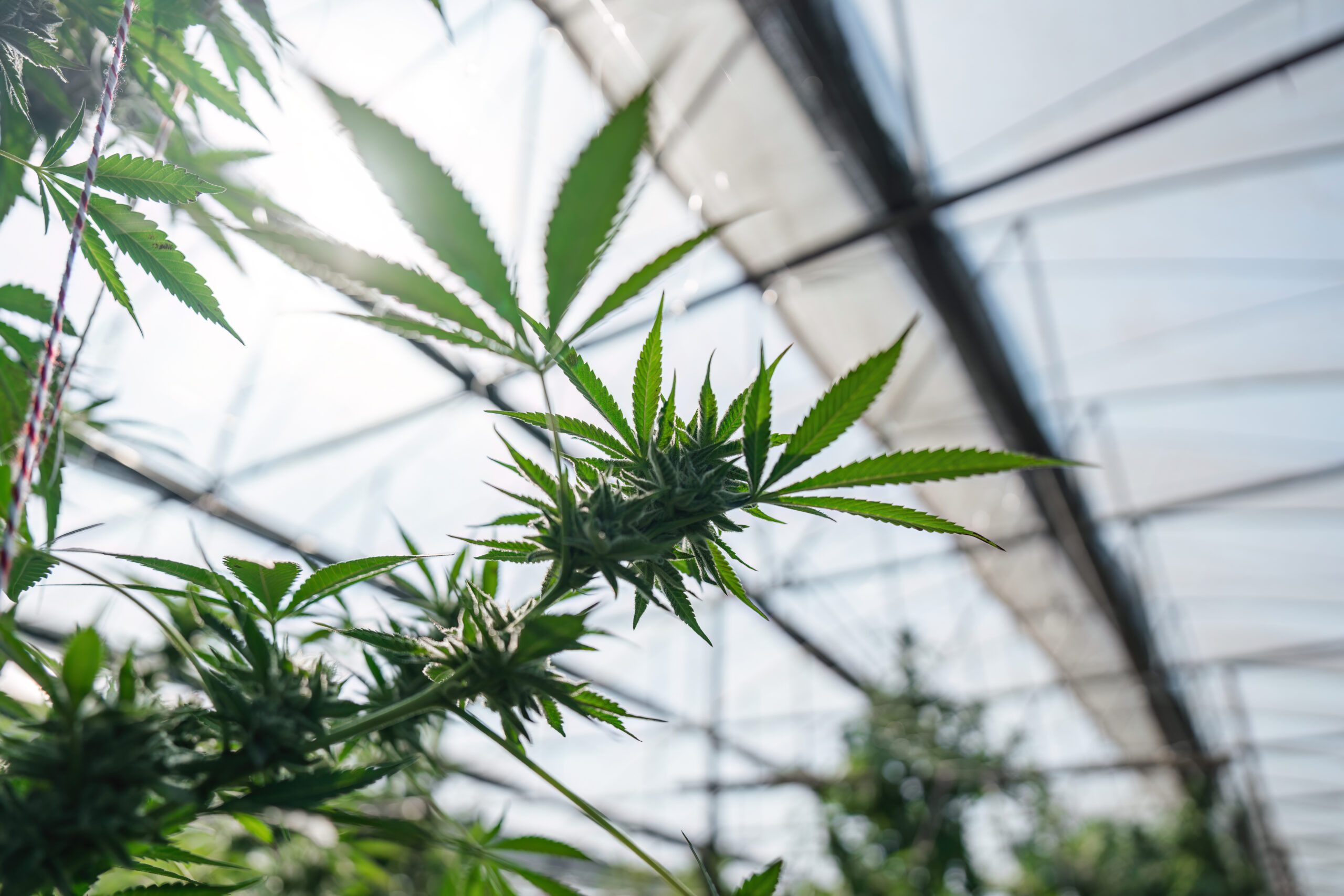
From old school to High-Tech: How João Constantino revolutionized medicinal growing with Plant Empowerment
Open: From old school to High-Tech: How João Constantino revolutionized medicinal growing with Plant Empowerment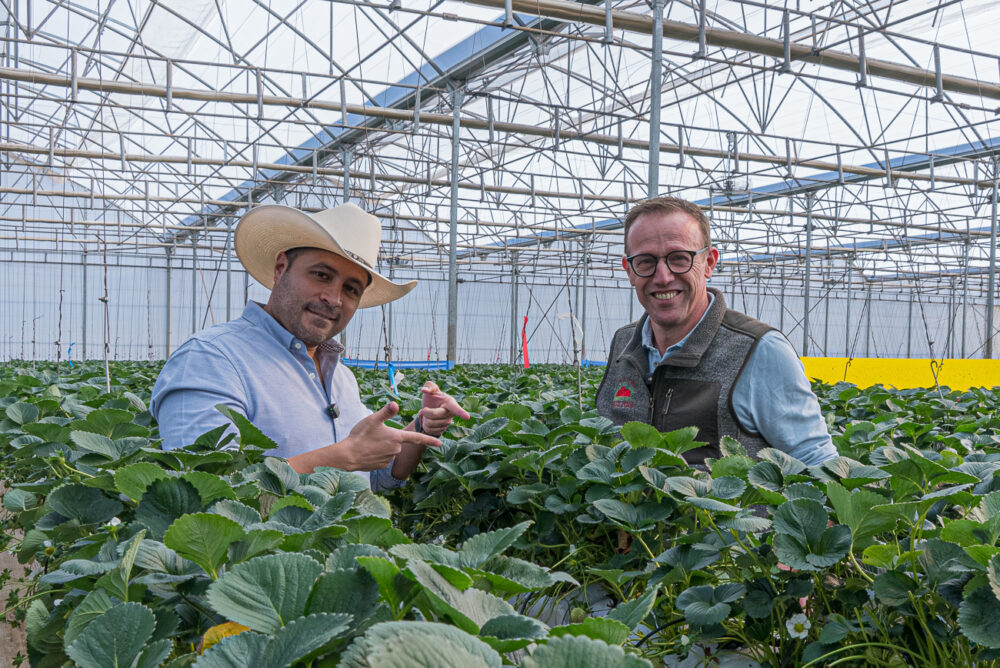
Doubling strawberry production two years in a row with Plant Empowerment
Open: Doubling strawberry production two years in a row with Plant Empowerment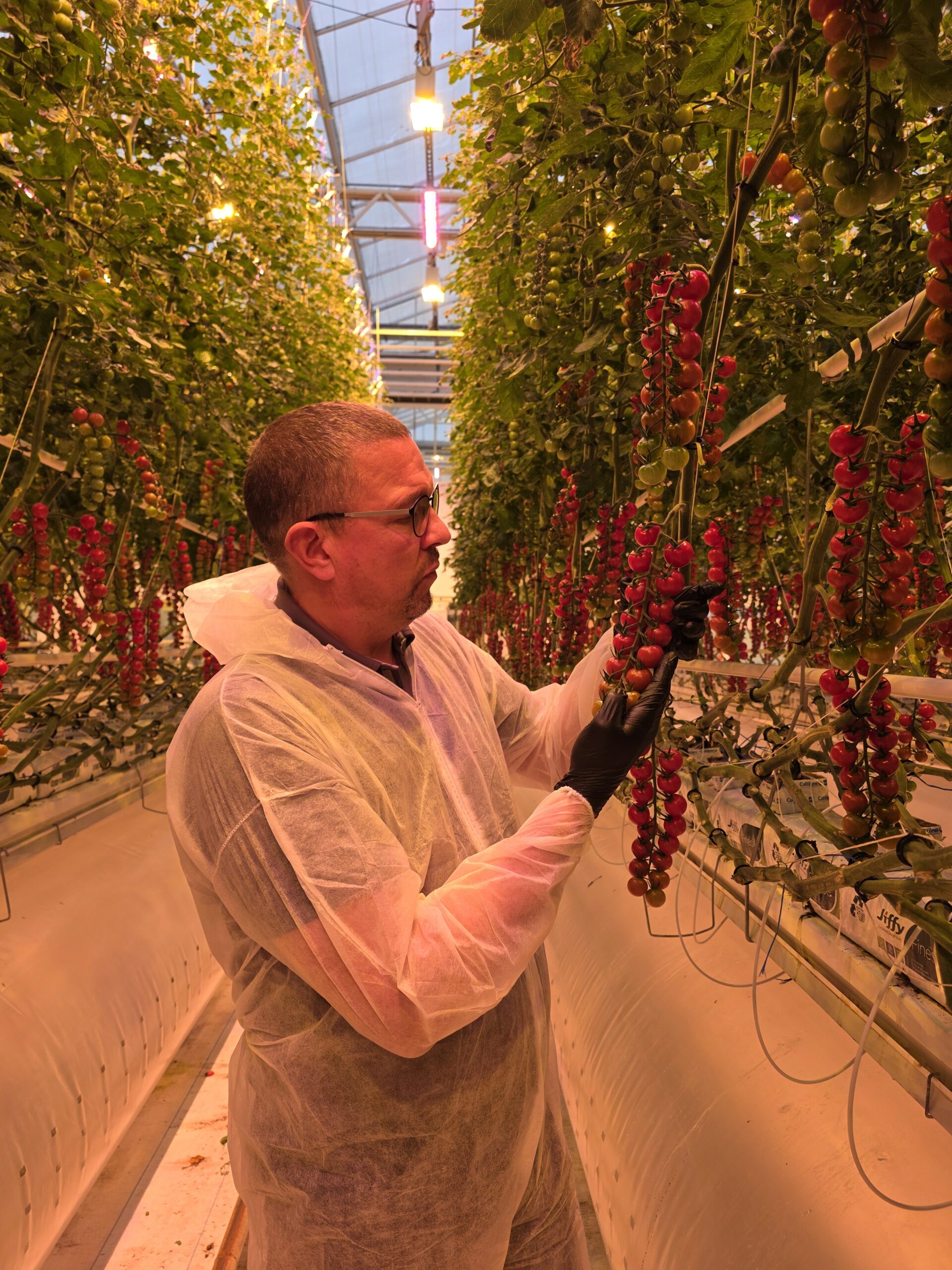
From inspiration to implementation: the value of the Plant Empowerment knowledge platform
Open: From inspiration to implementation: the value of the Plant Empowerment knowledge platform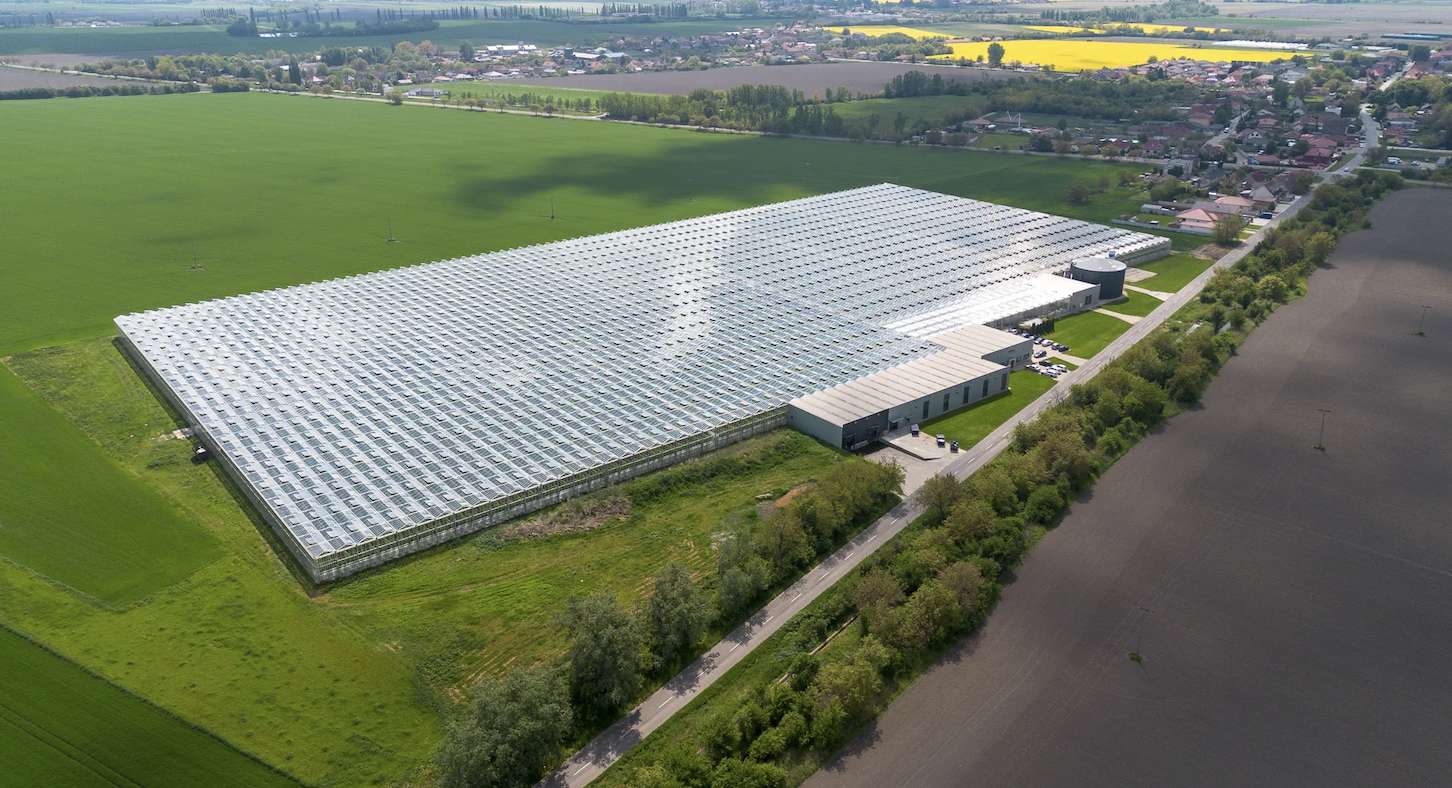
Improving tomato growth and reduces chemical use
Open: Improving tomato growth and reduces chemical use
Data-driven growing keeps growers ahead of the curve
Open: Data-driven growing keeps growers ahead of the curve
From Mexico to Amsterdam: Paula’s journey through the Summer School
Open: From Mexico to Amsterdam: Paula’s journey through the Summer School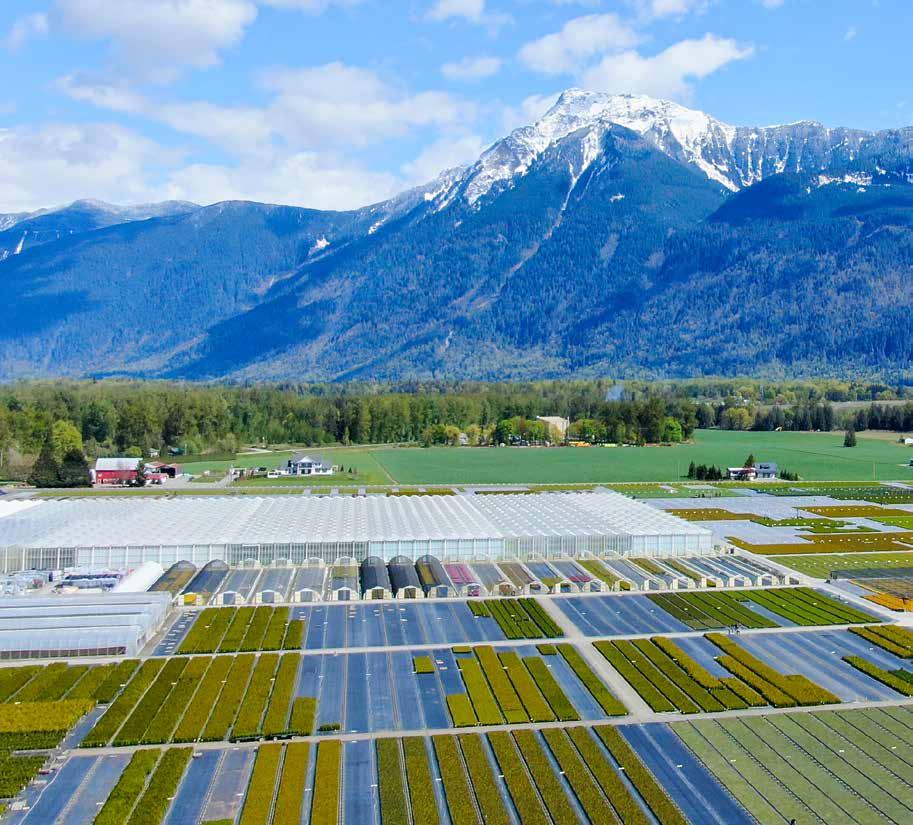
Small changes guided by Plant Empowerment make a big difference
Open: Small changes guided by Plant Empowerment make a big difference