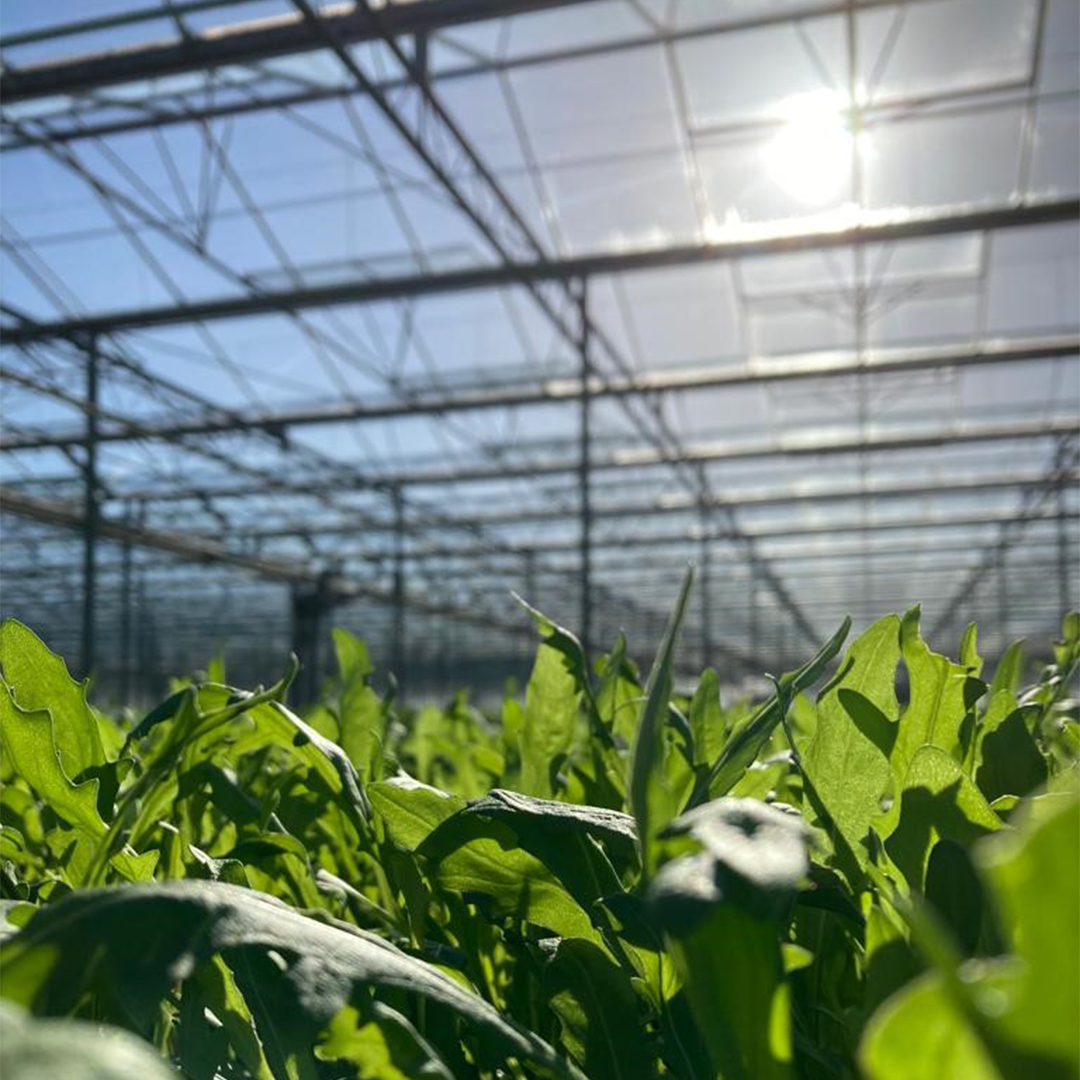
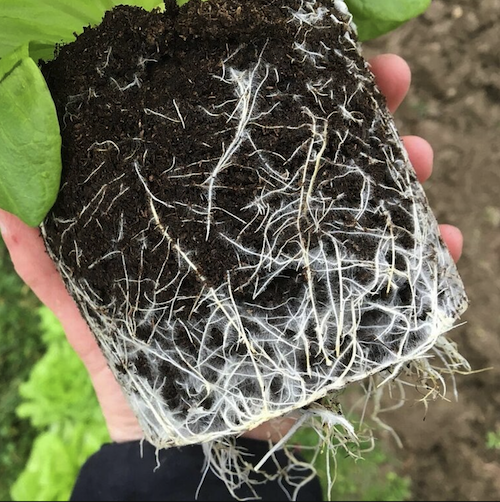
Crop registration is essential for understanding how plants respond to your growing strategy. By regularly collecting crop data, growers can see whether changes in climate and irrigation are having the intended effect and use feedback from the crop to make better decisions.
Crop registration
Collect your data
Data has become part of our daily routines and plays an increasingly important role in optimizing greenhouse processes. Climate and irrigation data can tell us a great deal about the conditions surrounding the crop. But how do we know whether the plants are actually responding as expected?
By collecting crop data.
Crop registration provides direct feedback from the plant. By regularly measuring and recording crop development, growers can compare what is happening in the greenhouse with how the crop is responding. This helps reveal whether the chosen climate and irrigation strategies are supporting the desired growth and development.
Close the loop
Good crop registration does not have to take much time. Spending a maximum of one hour per week collecting consistent, high-quality crop data can provide valuable insights into plant development.
The real value comes from repeating this process over time. Greenhouse data helps you understand the conditions you create, while crop data shows you how the plant responds. Bringing the two together helps close the loop: Measure → Analyse → Adjust → Measure again
This continuous feedback makes it possible to learn from the crop, evaluate whether adjustments are having the desired effect and make better-informed growing decisions.
Let the plant tell you what is happening
Data from sensors and greenhouse systems is valuable, but the plant remains an essential source of information. Crop registration helps turn plant development into measurable feedback and gives growers a clearer picture of whether the crop is moving in the desired direction.
Watch the video to discover how crop registration can help you better understand your plants and support more balanced growth.
Continue reading
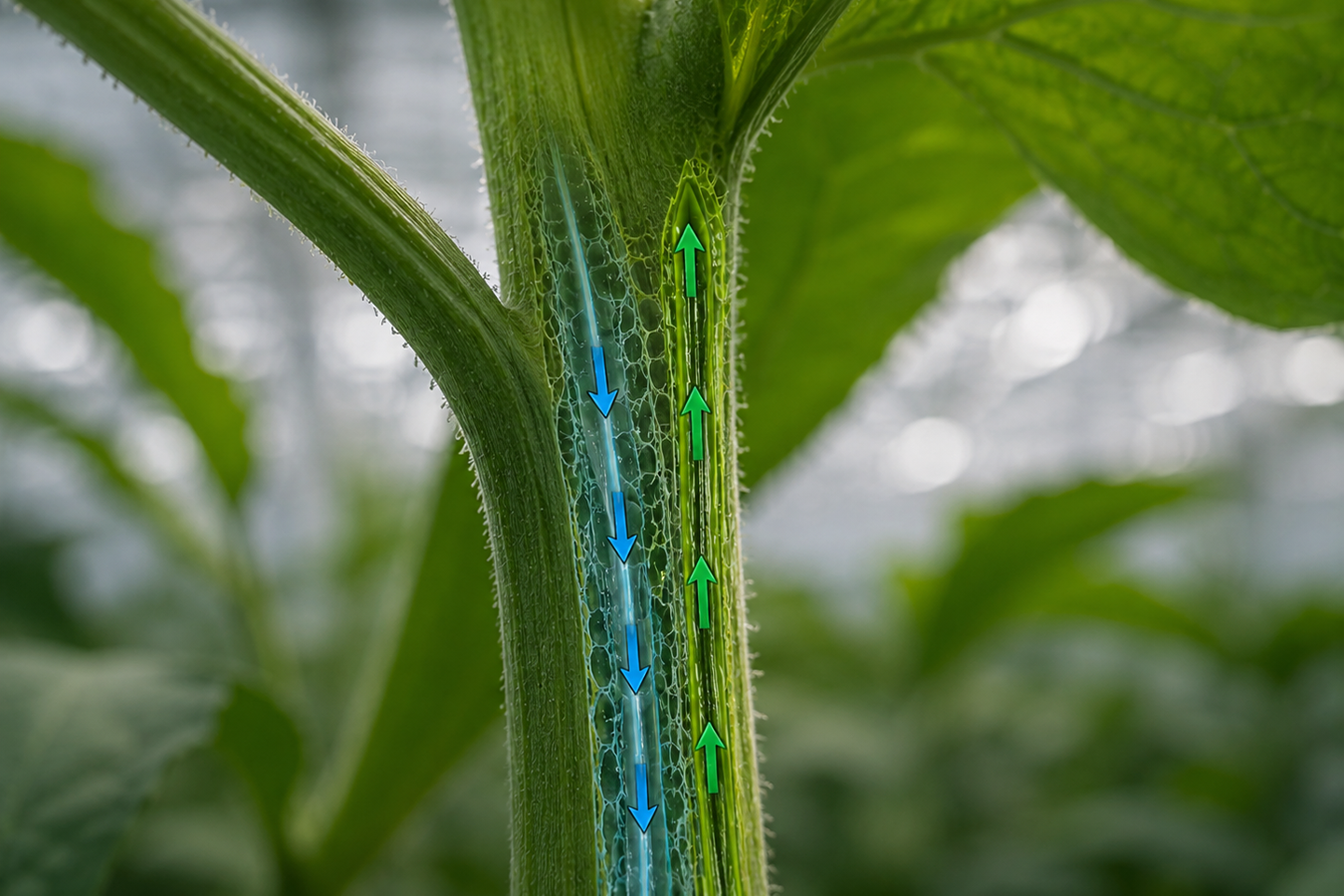
How plants transport water, minerals and sugars
Open: How plants transport water, minerals and sugars
Understanding absolute humidity in greenhouse climate control
Open: Understanding absolute humidity in greenhouse climate control