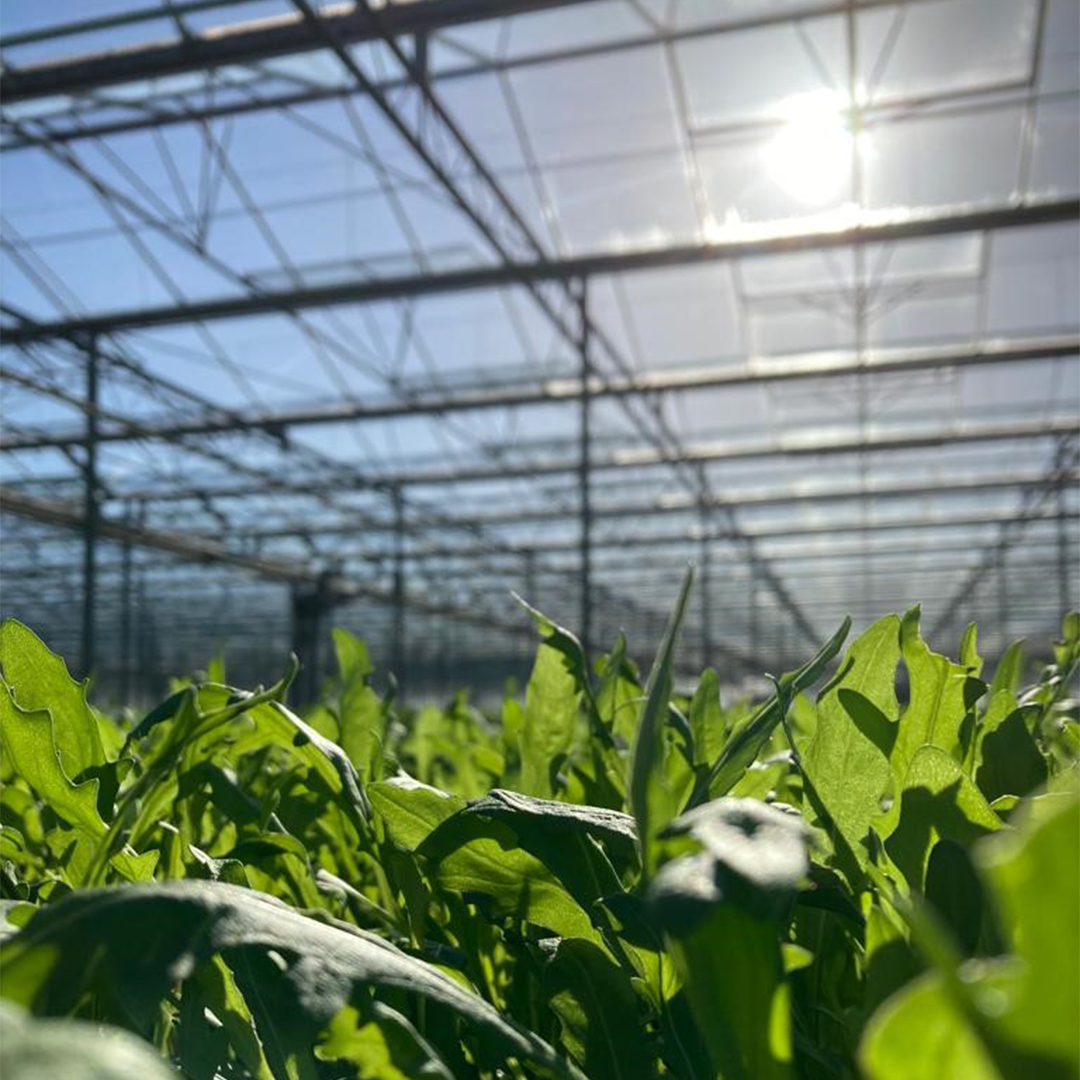
Using screens more intensively can help save energy, but it can also lead to higher humidity levels in the greenhouse. This affects evaporation, water and nutrient uptake, and conditions in the root zone.
How to deal with an increase in humidity?
More screen use, higher humidity
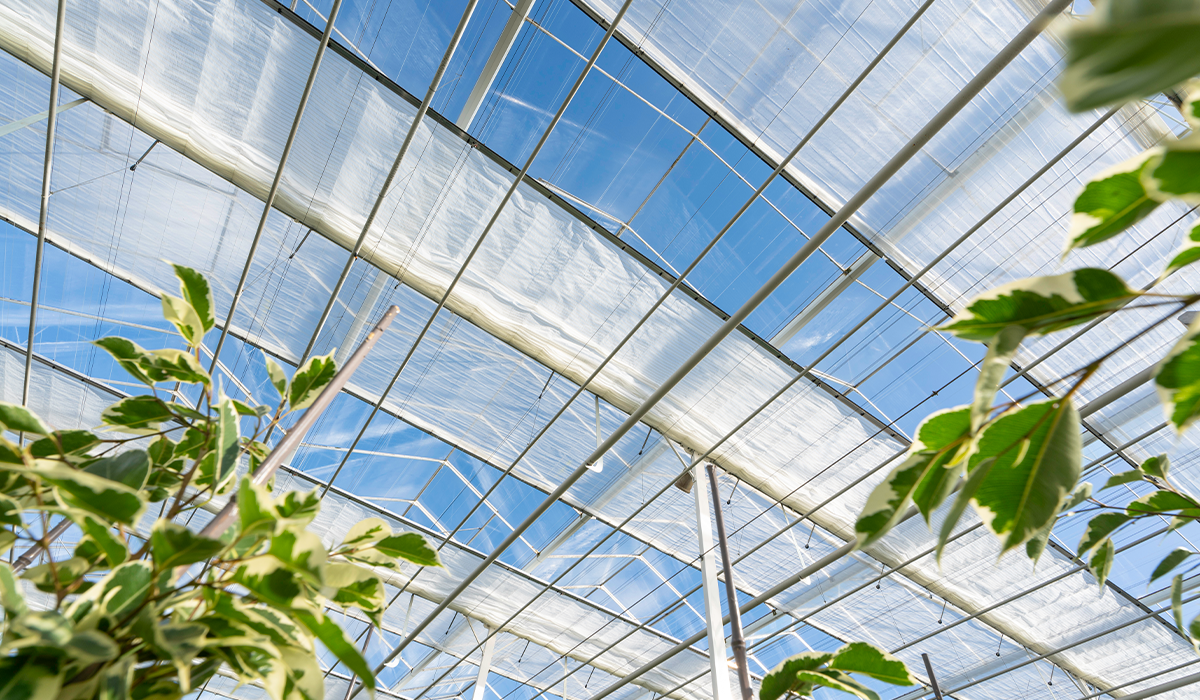
When energy prices rise, growers often increase screen usage to reduce heat loss and save energy. At the same time, less energy is added through the heating system. Together, these changes can lead to higher humidity levels in the greenhouse.
When humidity becomes too high, the plant’s water balance can be disturbed. Evaporation decreases, while the lower energy input can also reduce the uptake and transport of water and nutrients. As a result, it may become more difficult to transport sufficient water and nutrients to the head of the plant.
Keep an eye on the root zone
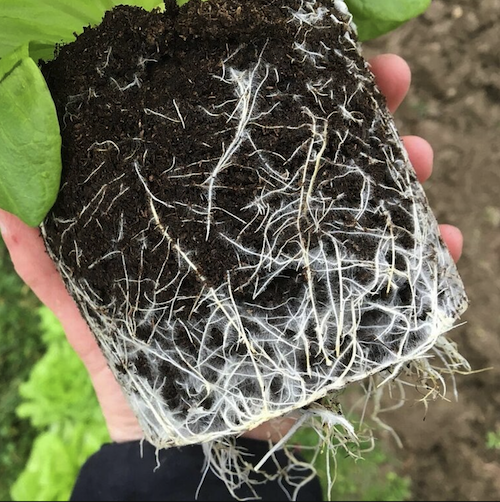
Changes above the crop also affect what happens below it. When evaporation and water uptake decrease, the water content in the slab may increase.
Keep monitoring the slab parameters and make sure the water content does not become too high, so sufficient oxygen remains available to the roots. If necessary, adjust the irrigation strategy to the changing activity of the crop.
The key is to look at screen use, humidity, plant activity and the root zone as one connected system. Saving energy should not come at the expense of the plant’s water balance.
Want to learn more about using screens while maintaining a healthy and active greenhouse climate? Explore our course Save Energy in an Integrated Way and discover how screening, air movement and energy use work together.
Continue reading
How plants transport water, minerals and sugars
Open: How plants transport water, minerals and sugars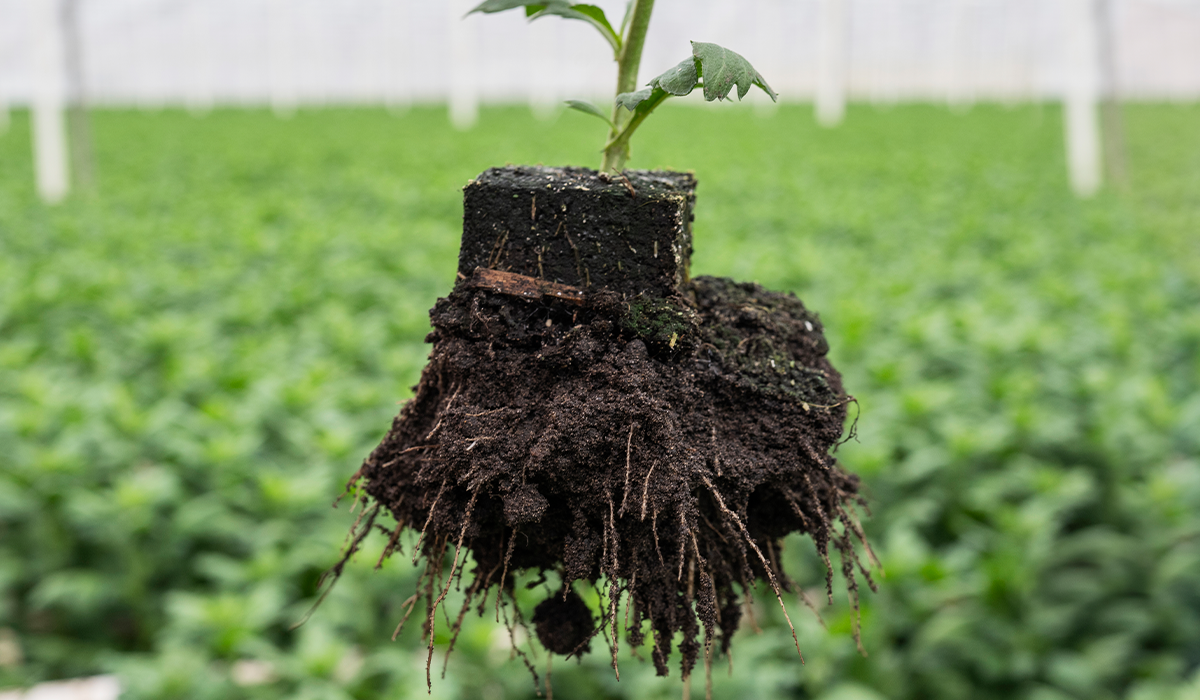
Understanding absolute humidity in greenhouse climate control
Open: Understanding absolute humidity in greenhouse climate control