Energy savings are not only about reducing the total amount of heat used. By looking at average greenhouse temperatures over a longer period, growers can shift heating demand to more favourable moments and avoid unnecessary peaks in energy use.
Save energy by smoothing out peaks in energy demand
Start with effective screen use
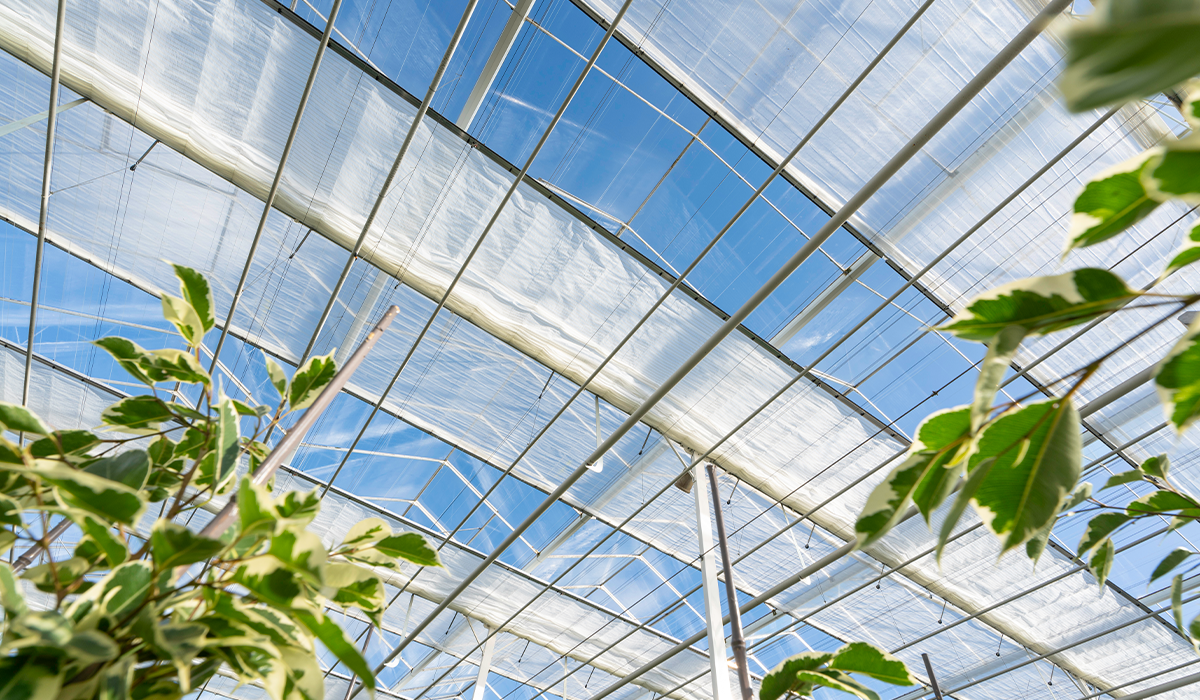
Effective use of energy screens is one of the first steps towards saving energy in most greenhouses. By reducing heat loss, screens help keep energy inside the greenhouse and lower the amount of additional heating required.
Even with effective screen use, however, there may be moments when insufficient energy is available in the heat storage tank. This can be particularly challenging in the morning, when several greenhouses may require large amounts of heat at the same time.
Instead of trying to meet every peak in demand immediately, growers can look for ways to spread energy use more evenly throughout the day.
Avoid unnecessary peaks in energy demand
If the average temperature in the heat storage tank is too low in the morning, this information can be used to delay the opening of the energy screen. The maximum pipe temperature can also be lowered.
Together, these adjustments help smooth out peaks in energy demand and distribute the available heat more evenly across the greenhouses.
The greenhouse temperature may temporarily be lower than originally planned, but that does not necessarily mean the temperature loss has to be corrected immediately.
Compensate at a more favourable moment
A temporarily lower greenhouse temperature can be compensated for later, when conditions are more favourable.
Using temperature integration, a period with a lower greenhouse temperature can be balanced by allowing a higher temperature at another moment. This could be when the energy screen is closed again or when solar radiation provides additional energy to the greenhouse.
At these times, reaching a higher greenhouse temperature requires less additional energy. By focusing on the average temperature over a longer period, growers gain more flexibility in deciding when energy is used.
Focus on the average, not every individual moment
Temperature integration makes it possible to move away from the idea that the greenhouse must maintain exactly the same target temperature at every moment of the day.
Instead, growers can allow temperatures to fluctuate within suitable limits and compensate for cooler periods when energy is more readily available. This helps reduce peak demand while still working towards the desired average greenhouse temperature.
By combining effective screen use, available energy data and temperature integration, growers can use heat more strategically. The goal is not simply to lower the temperature, but to use energy at the moments when it is most efficient to do so.
Want to learn more about energy saving? Explore our course Save Energy in an Integrated Way and discover how to reduce energy use through an integrated growing strategy.
Continue reading

How plants transport water, minerals and sugars
Open: How plants transport water, minerals and sugars
Understanding absolute humidity in greenhouse climate control
Open: Understanding absolute humidity in greenhouse climate control