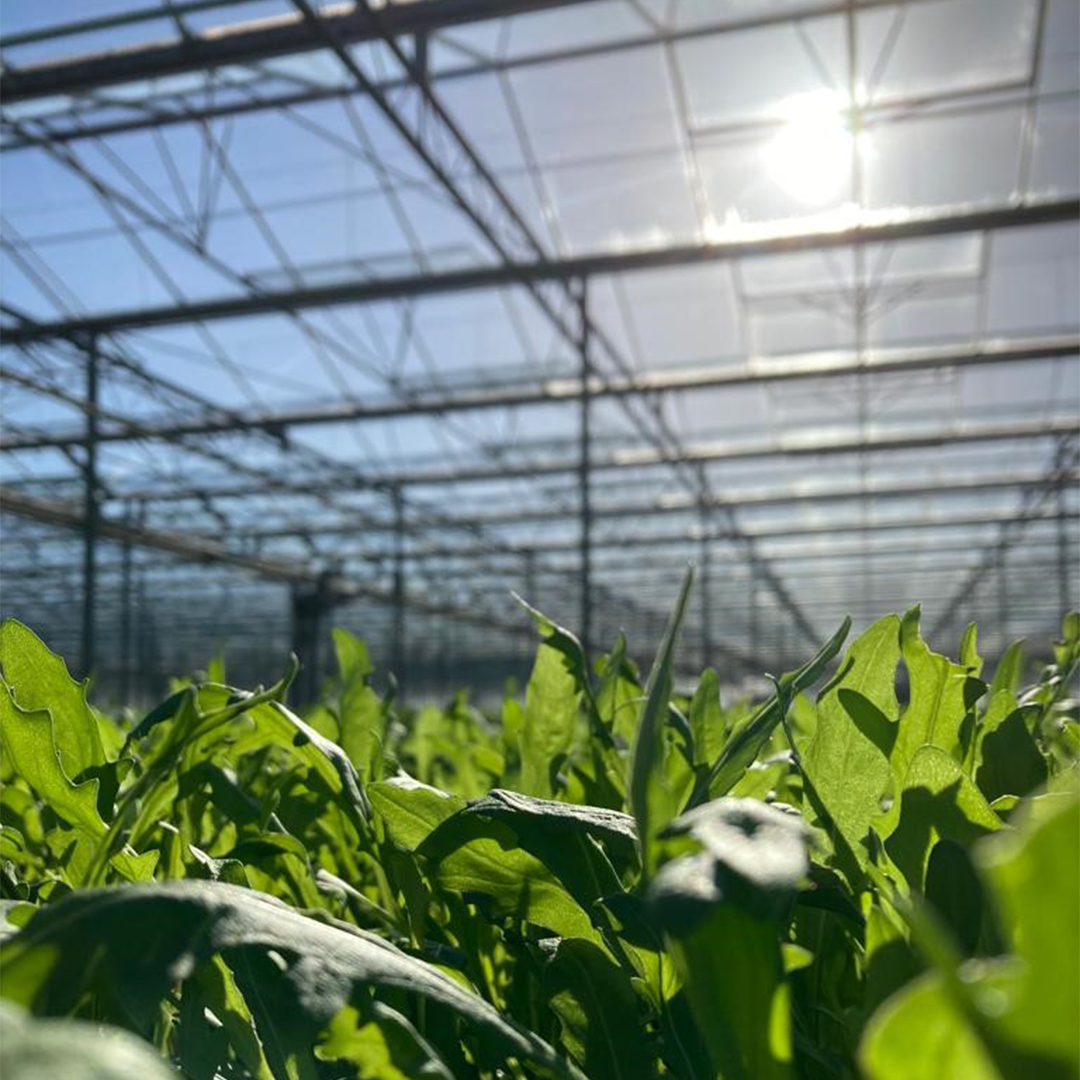
Water, minerals, sugars and signalling molecules are constantly moving through a plant. At the same time, the chemical conditions inside its tissues are changing. Understanding these processes gives growers a better idea of what is happening inside the crop, not just what is visible on the outside.
Xylem and Phloem
How plants transport water, minerals and sugars
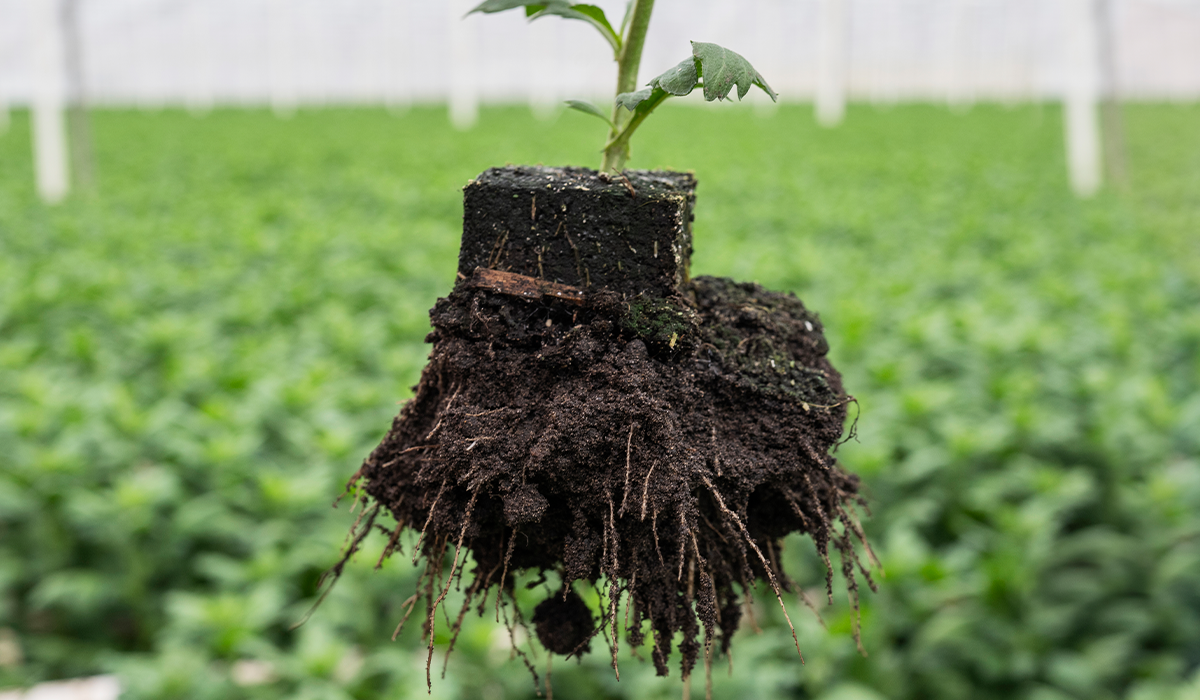
The plant is more than what you see
The xylem transports water and dissolved minerals from the roots towards the shoots. The phloem distributes sugars and other compounds between different parts of the plant. Around these transport systems, the apoplast provides another space for the movement and exchange of water, nutrients and signals. Together, they form a living system in which these resources are continuously exchanged.
That makes the plant highly interconnected. A change in the root zone can affect uptake and transport. Changes in transpiration influence water movement, while changes in photosynthesis affect the assimilates available to growing tissues, roots and fruit.
What happens when conditions change?
Take a bright, warm afternoon in the greenhouse. Radiation increases, leaf temperature rises and transpiration changes. At the same time, photosynthesis is producing assimilates that need to be distributed through the plant.
These processes don’t happen independently. Changing irrigation, humidity, temperature or light can therefore have effects elsewhere in the plant.
For growers, the interesting question is not only what changed, but how did the plant respond?
The chemistry inside the plant
The internal environment of a plant is not the same everywhere. Different tissues and compartments have different chemical conditions. Two parameters that help describe these conditions are pH and redox potential (Eh).
pH describes acidity, while Eh describes the tendency of an environment to gain or lose electrons. Redox reactions are part of normal plant metabolism, but changes in redox status are also involved in signalling and stress responses.
This makes Eh more than another number to measure. It gives us a way to think about the chemical environment in which processes inside the plant are taking place.
Understanding the plant from the inside out
For a grower, understanding plant physiology is not about adding another parameter to the list. It helps connect the things already being measured: climate, irrigation, nutrition, photosynthesis and plant response.
The more we understand what happens inside the plant, the easier it becomes to interpret what we see in the crop.
In the Understanding pH & Eh webinar, our Plant Health Specialist Mark van der Werf explains how pH and redox potential relate to processes inside the plant and why they are relevant when trying to understand plant health.
Continue reading
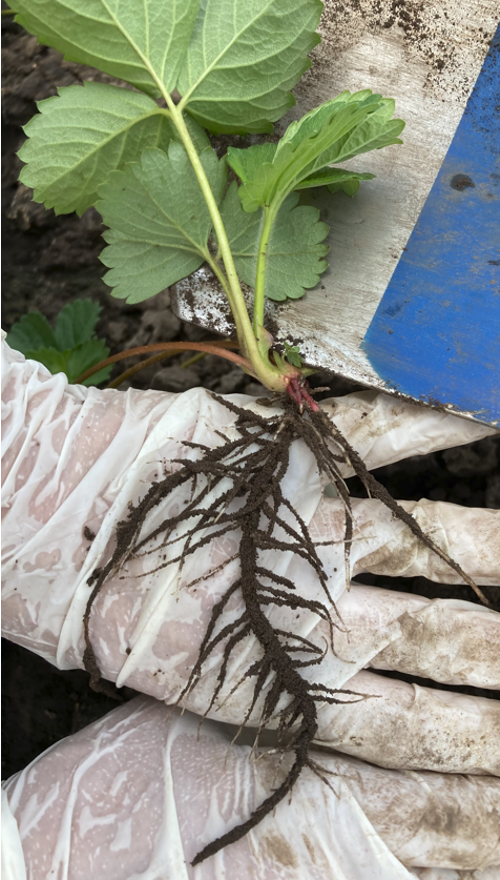
The Rhizophagy Cycle: What happens between roots and microbes?
Open: The Rhizophagy Cycle: What happens between roots and microbes?
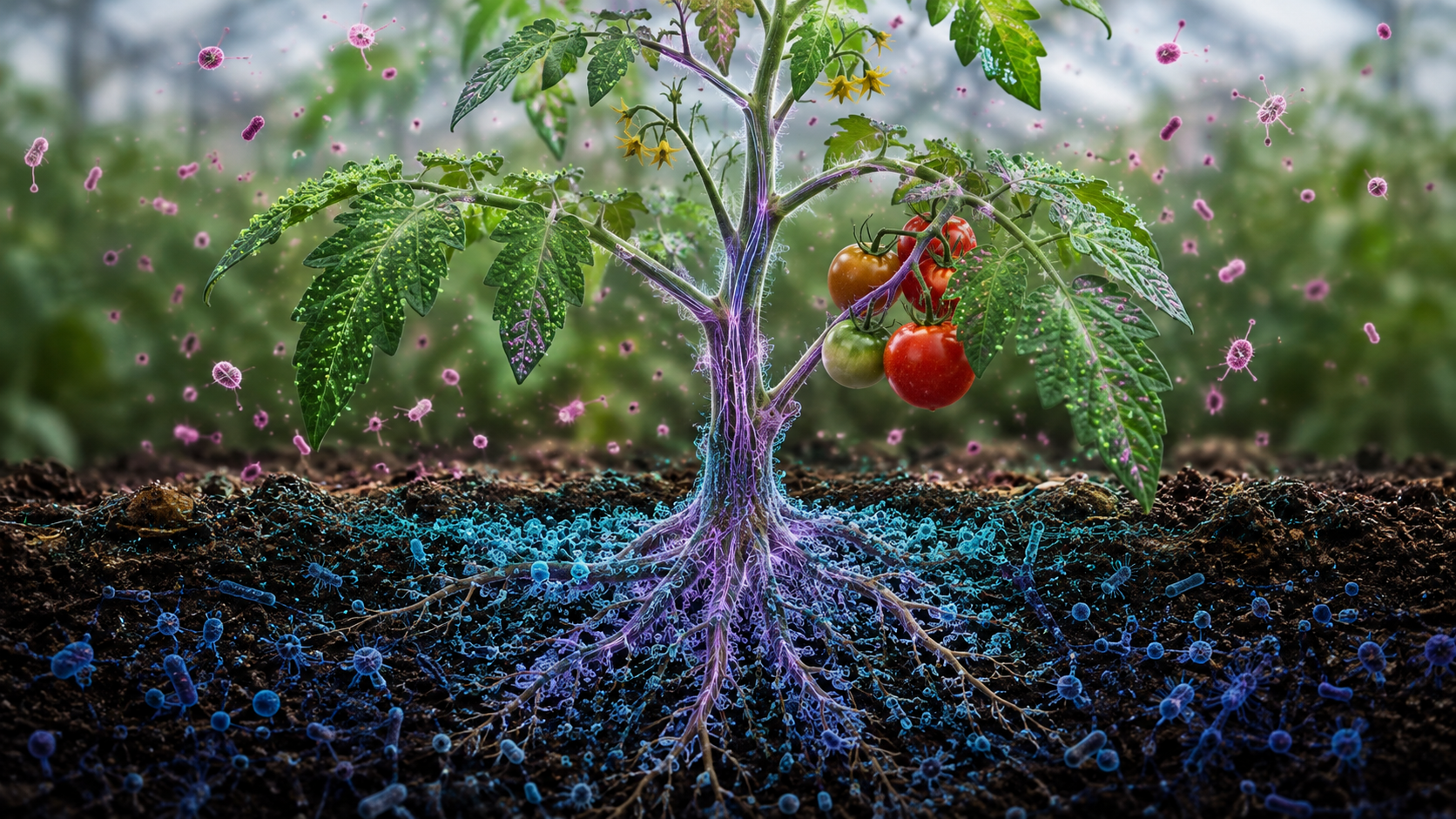
Understanding absolute humidity in greenhouse climate control
Open: Understanding absolute humidity in greenhouse climate control